Exploring the Under Skirt Tutu: A Comprehensive Guide
Intro
The under skirt tutu, often seen as a mere accessory in the world of fashion, holds a more significant place than many realize. This unique garment isn’t just an embellishment; it serves as a transformative piece that can elevate an outfit from ordinary to dazzling. With its layers of tulle and structure, the under skirt tutu adds volume and flow, creating an essence that captures attention whether on the ballet stage or in daily outfits. It’s a perfect blend of tradition and contemporary style, appealing to both dancers and fashion enthusiasts.
As we venture deeper into this guide, we’ll explore the intricacies of the under skirt tutu. From its rich history that stretches back to the realms of ballet to its practical applications in today’s wardrobes, the tutu is more than a fashion statement; it’s a versatile tool that enhances self-expression. Here, you’ll find insights into design elements, material choices, and how to care for this versatile garment. Let's traverse through time and trends to discover the charming world of the under skirt tutu.
Understanding the Under Skirt Tutu
The under skirt tutu is more than just a piece of clothing; it serves as a pivotal foundation in both the realms of fashion and performance art. Its purpose extends beyond sheer aesthetics, making it a vital element for enhancing the silhouette of various garments, from dance costumes to everyday clothing. This section endeavours to provide a clearer perspective on the tutu's role, encompassing its definition, historical roots, and cultural implications.
Definition and Purpose
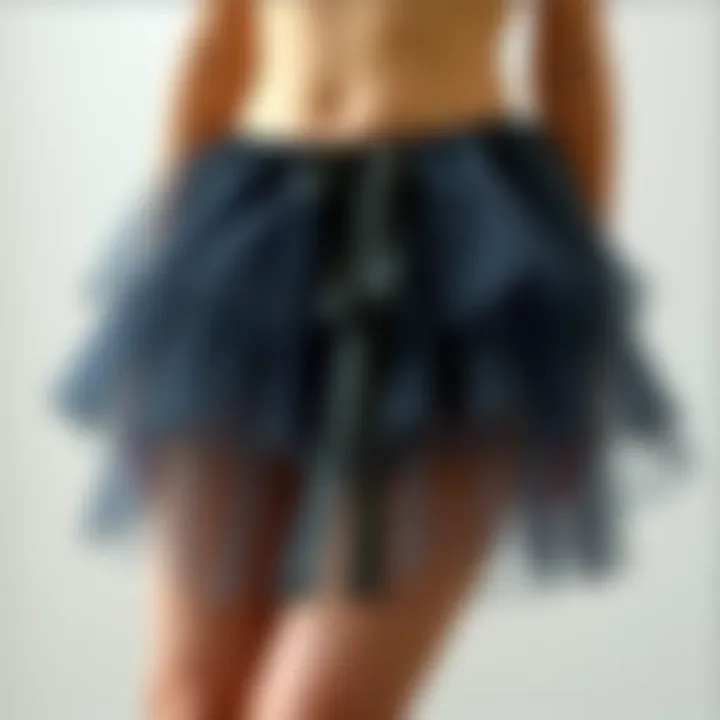
An under skirt tutu is a structured garment that usually consists of layers of tulle or similar light materials, layered over a fitted waistband. As the name implies, it is worn beneath skirts or dresses, contributing volume and shape. A well-designed tutu can transform a simple outfit into a statement piece, adding a touch of elegance while maintaining comfort. The benefits are manifold; it allows wearers to achieve a desired aesthetic without sacrificing mobility or style.
- Enhances Silhouette: It provides a fuller shape without heavy fabric.
- Versatile Usage: Suitable for various occasions, from ballet performances to casual outings.
- Layering Potential: Works well with various clothing types, enabling endless combinations.
Historical Evolution
The history of the tutu is as fascinating as its modern-day applications. Originally seen in the early 19th century, the tutu started as a functional piece that’s firmly rooted in the ballet tradition. Designed to allow for freedom of movement, these garments enabled dancers to showcase their skills while keeping their modesty intact. Over time, the tutu has morphed into various styles, aligning itself with evolving fashion trends.
Back in the day, a ballet tutu was somewhat shorter and more fitted, favoring a sleek line that accentuated the dancer's legs. Here's a brief timeline of its evolution:
- Early 1800s: Introduced in ballet, designed to enhance movement while maintaining artistry.
- Mid-19th Century: Became marked by the romantic era, with softer and longer designs gaining popularity.
- Modern Times: Transitioned into mainstream fashion, evolving in shape and material as it found its way onto runways and into everyday wardrobes.
Cultural Significance
The tutu is not just a garment; it's intertwined with various cultural narratives across many societies. It has become a symbol of femininity, grace, and artistic expression. In ballet, it represents the pinnacle of theatrical beauty while also carrying connotations of hard work and dedication. Its adoption into modern fashion further reflects society's ongoing dialogue about gender, identity, and the body.
"A tutu turns the fabric of a simple dress into a canvas of expressiveness, marrying art and fashion in a delightful duet."
The significance of the tutu even branches into subcultures and movements, from punk to high fashion, showcasing how versatile and resonant this piece of clothing is.
In essence, understanding the under skirt tutu means recognizing its historical weight and cultural relevance, appreciating how it adapts and transforms while still offering wearers a chance to express individuality.
Design Variations of the Tutu
The under skirt tutu is not merely a single design; it encompasses a tapestry of styles that have evolved over time, adapting to various aesthetics and functionalities. In this section, we’ll explore the diverse design variations of the tutu and explain why these differences are crucial, especially for fashion enthusiasts, designers, and retailers. Understanding these variations allows for a better appreciation of the tutu's role in the fashion industry, enhancing the wearer’s experience whether they’re on stage or striding down the street.
Classic Ballerina Tutu
When one thinks of a tutu, often the image that springs to mind is that of the classic ballerina tutu, known for its aesthetic appeal and emotional resonance in ballet. This style typically falls into two categories: the full tutu and the romantic tutu. A full tutu extends outwards from the waist, creating the iconic bell shape. It's often crafted with layers of tulle, giving it volume and that quintessential fairy-tale look.
"The legendary ballerina tutu isn’t just about captivating style; it’s about embodying grace and discipline on stage."
In contrast, the romantic tutu is characterized by a longer and softer silhouette, landing around the ankles. It captures a more flowing essence, ideal for performances that evoke soft movements and emotions. Both styles have their unique charm and serve distinct purposes in the realm of performance art, becoming symbols of the grace and narratives they convey.
Fashionable Variants
As the tutu made its leap from the theater to the streets, numerous fashionable variants emerged, turning it into a canvas for creative expression. Designers have played with colors, lengths, and textures, bringing a fresh take that attracts a diverse audience. For instance, the mini tutu is a playful spin on the traditional style, often paired with casual outfits for a chic day look.
Material innovation has also taken center stage here. Some modern tutus utilize fabrics like faux leather or vibrant sequins, diverging from the classic tulle. This flexibility not only caters to fashion-forward individuals but also encourages self-expression in everyday attire. The fashionable tutu finds its way into music videos, runway shows, and even street fashion, creating a brand-new dialogue about femininity and style without the boundaries usually expected from conventional tutus.
DIY Tutu Designs
Creating your own tutu can be an engaging and fulfilling experience, allowing one to meld creativity with practical fashion. DIY tutu designs have gained popularity, particularly among parents crafting costumes for children or individuals expressing their personal style.
Here’s a quick breakdown on how to embark on a DIY tutu project:
- Materials Needed: Tulle in desired colors, elastic band for the waistband, scissors, and a sewing machine or needle and thread.
- Steps to Craft:
- Customization Choices: Adding embellishments like ribbons, beads, or even lights can elevate your tutu to a one-of-a-kind masterpiece.
- Cut tulle into strips of your desired length.
- Attach the tulle to the elastic band by tying it in knots, ensuring it’s secure.
- Fluff and arrange the strips to achieve the desired fullness.
Whether you’re making it for a special occasion or everyday wear, the DIY approach lets individuals experiment and captivate onlookers with their uniqueness.
Materials Used in Tutu Production
Understanding the materials used in the construction of tutus is paramount in appreciating their overall design and function. The choice of fabric and components can significantly affect the garment's look, feel, and practicality. Whether one is a fashion aficionado, a designer crafting the perfect outfit for a performance, or a retailer discerning the best selling points, acknowledging the materials offers plenty of insights.
Types of Fabrics
When it comes to tutus, the fabric is more than a mere aesthetic choice; it's the foundation upon which the garment's character is built. Here are some primary fabric types commonly utilized in tutu creation:
- Tulle: This light and airy fabric is the quintessential choice for classic tutus. Its sheer quality allows for layers upon layers that create a whimsical effect, enhancing the tutu's volume.
- Organza: Slightly more structured than tulle, organza provides a crisp finish. This fabric is often used in fashion-forward designs, adding a sophisticated touch.
- Satin: Favored for its luxurious sheen, satin is used for more elegant variations, commonly seen in dance performances where visual splendor is desired.
- Cotton: For casual or DIY tutus, cotton may provide comfort and breathability. While it lacks the traditional structure, it offers a more laid-back look.
Each fabric type brings its own texture and weight to the tutu, influencing the overall silhouette and movement. Utilizing various fabrics can also create a contrasting look, resulting in stunning visual appeal.
Structural Components
Beyond fabric, the structural elements of a tutu play a crucial role in its form and functionality:
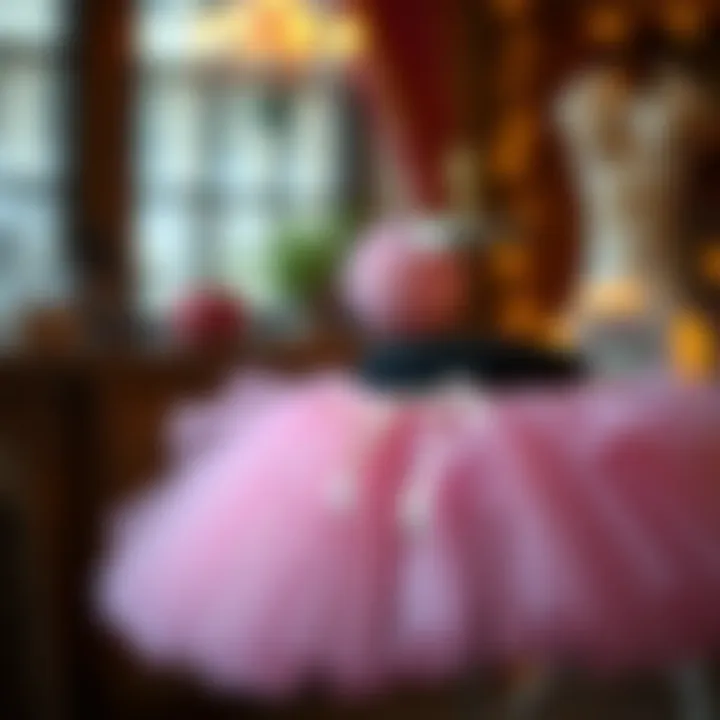
- Waistbands: Usually elasticized or fitted, waistbands help in securing the tutu in place, ensuring comfort during movement.
- Crinolines: These are the stiff layers sewn into the tutu to give it volume. The more crinolines, the fuller the skirt will appear.
- Ribbons: Often adorning the waistband or hems, ribbons can enhance the tutu’s aesthetic while also serving practical purposes during performance.
- Linings: Typically made of soft, breathable fabrics, linings prevent irritation against the skin and ensure comfort during longer wear.
The combination of these structural elements determines how the tutu will stand, flow, and behave during movement. Attention to detail in each part can enhance not only the garment's longevity but also its overall effectiveness in performance art.
Sustainable Practices
As fashion evolves, the conversation surrounding sustainability remains a hot topic. The materials used in tutu production are increasingly reflecting a desire for responsible consumption:
- Organic Fibers: Many designers are turning to organic cotton or hemp, which reduce environmental impact as they require less pesticide use during growth.
- Recycled Materials: Some manufacturers now use fabrics made from recycled plastics, giving discarded materials a second life and fostering a circular economy in fashion.
- Local Sourcing: Supporting local fabric suppliers reduces the carbon footprint associated with transportation. This practice promotes local craftsmanship and strengthens community ties within the fashion industry.
- Eco-Friendly Dyes: Non-toxic dyes that are gentler on the environment are preferred by many designers aiming for a more sustainable production process.
By being considerate of the materials chosen, designers can play a crucial role in promoting eco-friendliness in fashion while still producing stunning under skirt tutus that hold their structure well and offer comfort.
"The materials we choose define not only the garment but also our approach to sustainability in fashion."
In summary, the materials used in tutu production are vital to understanding its essence and overall impact on the wearer. Recognizing the different types of fabrics, structural components, and sustainable practices allows for a deeper appreciation of this enchanting garment.
Styling the Under Skirt Tutu
Styling the under skirt tutu is crucial in making the most of this versatile garment. It’s not just about throwing it on and hoping for the best; it's about creating a harmonious outfit that complements the wearer’s body shape and personal style. The beauty of the tutu lies in its ability to both enhance and transform a look, offering endless options. This section dives into how to effectively style a tutu, ensuring the wearer turns heads for all the right reasons.
Layering Techniques
Layering is one of the artful ways to style the under skirt tutu. In various climates and occasions, layering adds depth to the outfit, creating visual interest and a well-thought-out ensemble. Here’s how to go about it:
- Base Layer: Start with a fitted top. It could be a simple tank or a tailored blouse. The key is to have something that doesn’t compete with the tutu’s volume.
- Additional Layers: Think about incorporating a long cardigan or a fitted jacket to balance the silhouette. Lightweight fabrics work best; avoid heavy materials that could weigh down the look.
- Textures: Mixing textures adds another level of intrigue. Pairing a tulle skirt with a leather jacket or a lace top can produce an eye-catching contrast.
The trick is to play with lengths and volumes.
"A tutu can be layered subtly to enhance the overall look without overwhelming it."
However, it’s essential to keep proportions in mind. Too many bulky layers might create an unflattering shape.
Accessorizing Your Look
Accessories can make or break an outfit featuring an under skirt tutu. They provide the finishing touch that can elevate a tutu from simple to stunning. Here are some considerations:
- Jewelry: Opt for statement earrings or a layered necklace. A little sparkle can brighten up the overall appearance, whereas simple, elegant pieces can add sophistication.
- Belts: A chic belt can define the waist and add structure, especially when wearing a voluminous tutu. It can also be a focal point if you choose a bold color or interesting material.
- Footwear: Shoes play a crucial role; ankle boots or sleek heels can ground the outfit while offering style and comfort. Alternatively, flats can create a more casual look.
- Bags: Select a handbag that corresponds with the level of formality of the outfit. A clutch can work well for elegant settings, whereas a crossbody bag might suit a casual day out.
Accessories are where personal style truly shines. They are your chance to showcase creativity and uniqueness.
Occasion-Specific Styles
Wearing an under skirt tutu can fit a variety of occasions with the right styling and consideration. Here’s how to adapt the tutu for different settings:
- Formal Events: Opt for longer tutus in classic colors like black or navy paired with sophisticated tops. Complement with elegant accessories, like silk shawls or fine jewelry to elevate the overall look.
- Casual Outings: For a day at the park or brunch with friends, choose a shorter tutu in a fun print. Pair it with a graphic tee and sneakers for a relaxed vibe. Consider vibrant accessories to stand out.
- Creative Work Spaces: The under skirt tutu can be a statement piece in a creative professional environment. Combine a structured blazer with a playful tutu and polished shoes. This strikes a balance between professionalism and personal expression.
- Dance and Performance: Here, the tutu speaks for itself; it should be styled to allow ease of movement. Bright colors, sequins, and fitted tops can draw attention. Pair it with appropriate dance shoes.
The ability to tailor an under skirt tutu to suit the occasion speaks volumes about one’s fashion sense.
Care and Maintenance of Tutus
Maintaining an under skirt tutu is not just about keeping it looking pristine; it's about ensuring its longevity and performance. Like any cherished garment, tutus require special care to preserve their unique structure and beauty. A tutu, which often combines delicate fabrics with intricate designs, can easily lose its charm if not treated with the right level of respect. Understanding how to care for this staple of performance and style can also enhance your overall experience, whether you're a dancer placing your trust in its artistry or an enthusiast adding it to your wardrobe.
Washing Guidelines
When it comes to washing a tutu, the mantra is: delicacy first. Most tutus are crafted from fabrics that can be sensitive to heat and abrasion. Here are a few essentials to remember:
- Hand Wash: This is the preferred method. Fill a basin with lukewarm water and add a mild detergent specifically designed for delicate fabrics. Gently swish the tutu in the water without scrubbing.
- Avoid the Dryer: The heat can ruin the fibers and warp the shape of the tutu. Instead, lay it flat on a clean towel and roll it up to absorb the excess water. Unroll it and hang it on a padded hanger to air dry.
- Stains: For stubborn stains, treat them immediately with a gentle fabric stain solution, testing any product on a hidden area first to ensure no damage.
"It's the little things that count, and with tutus, they can make a world of difference."
Storage Solutions
Proper storage is crucial for preventing damage to your tutu. To maintain its shape and appearance, follow these guidelines:
- Hanging: Store your tutu on a padded hanger to help retain its volume and shape. Avoid standard hangers, as they may cause creases or dents.
- Cover It Up: Use a breathable garment bag to protect your tutu from dust and environmental factors. Remember, letting it breathe helps prevent dampness.
- Avoid Overcrowding: If you have multiple tutus, keep them spaced apart to avoid crushing or smushing the layers.
Repairing Damages
Even with the utmost care, tutus may suffer from wear and tear, especially during rigorous performances. Understanding how to tackle repairs is vital:
- Minor Repairs: Small tears or loose threads can often be repaired using a needle and thread. Use a thread that matches the color of your ballet outfit and sew gently to avoid further damage.
- Professional Help: For structural damages or significant tears, seek the expertise of a professional tailor experienced with dance costumes. They understand the need for maintaining the garment's integrity while providing the repair.
- Routine Check-ups: Just like a fine-tuned violin, your tutu deserves regular check-ups. Periodically inspect it for loose sequins, fraying edges, or shifting tulle layers—early detection can save a lot of heartache.
In summary, the care and maintenance of tutus require a gentle touch and vigilant eye. Making time to properly wash, store, and repair this charming garment is crucial not just for aesthetics but for the respect it deserves as a part of performance art. By adhering to these guidelines, your under skirt tutu may dance gracefully through numerous seasons of style.
The Role of the Under Skirt Tutu in Performance Art
The under skirt tutu plays a significant role in various forms of performance art, providing both aesthetic enhancement and functional support. In dance, drama, and even fashion shows, this unique garment elevates the visual narrative and enriches the artistic expression. The layers of fabric, whether tulle or organza, create movement and shape, allowing performers to embody their characters or concepts fully. As we will explore, the tutu is not just a piece of clothing, but a pivotal component that enhances the overall impact of a performance.
Ballet as a Performance Medium
Ballet is perhaps the most traditional and revered setting for the use of the under skirt tutu. Here, it holds a place of honor as an emblem of grace and elegance. A dancer's movements can be magnified by the tutu’s silhouette, making each leap and pirouette appear more dramatic. Its design is specific to the ballet genre; the classic tutu provides structure while permitting a wide range of motion, essential for intricate choreography.
The skirt's construction ensures that it's not just about looks; the poofiness allows for a visual volume that emphasizes the dancer's form.
The tutu transforms bland motions into compelling visuals, turning choreography into an art form that engages the audience's imagination.
Applications in Contemporary Dance
In contemporary dance, the under skirt tutu finds new interpretations. Dancers are often seen experimenting with various materials, colors, and styles to challenge traditional aesthetics. Here, the tutu can convey various themes, from innocence to rebellion, reflecting the artist's vision. The pliability of contemporary movement allows for the tutu to maintain its visual integrity without hindering the dancer’s expression.
These modern interpretations often merge contrasting styles, where the tutu might be paired with more relaxed fabrics or unconventional accessories, thus crafting a fresh narrative that resonates with today’s audiences. The fusion of classic and contemporary can be seen in collaborations where designers and choreographers push the boundaries of how the tutu is traditionally perceived.
Symbolism in Theatrical Productions
Beyond dance, the under skirt tutu extends its influence into theater, representing various narratives and themes. It can symbolize purity and innocence or shift to embody the complexities of femininity and identity. For instance, in adaptations of classic tales like "Cinderella," the tutu can evoke nostalgia, enchanting viewers with its fairy-tale connotations. In more avant-garde productions, its presence can serve as a stark contrast against darker themes, prompting a dialogue on duality and perception.
As a symbol, the tutu transcends simple fashion; it invites the audience to engage with deeper meanings woven into the fabric of the performance. The choice of skirt, its color, and the way it sways with movement contribute to the storytelling, creating an emotionally charged atmosphere that builds the connection between the performer and the audience.
In summary, the under skirt tutu is not merely an accessory; it is a crucial thread woven into the fabric of performance art, anchoring aesthetic appeal with deep-seated symbolism. Its applications in ballet, contemporary influences, and theatrical representations illustrate its dynamic nature, showcasing the tutu's versatility as it evolves within artistic landscapes.
Influences in Modern Fashion Trends
Fashion is an ever-evolving domain where old meets new, and the under skirt tutu stands at the crossroads of tradition and modernity. Embracing this unique garment allows one to explore its relevance in the current fashion landscape. The diversity of tutu applications in today's culture emphasizes its versatility, appealing to various audiences ranging from ballet purists to urban street-style aficionados.
The under skirt tutu has permeated numerous fashion segments, influencing designers and inspiring collections during major fashion weeks. What makes the under skirt tutu a staple? Its breathtaking ability to transform an outfit, lending a sense of whimsy and elegance, while also embodying an element of sophistication. As we dive deeper, let’s unearth the specific influences shaping modern fashion trends.
Runway Inspiration
State-of-the-art designs often find their beginnings on the runway, and the under skirt tutu is no exception. This garment has established itself as a muse for numerous fashion designers who take imaginative leaps that challenge traditional silhouettes. The most notable examples can be seen during prestigious fashion events where tutus are paired with unexpected staples such as oversized blazers or structured jackets.
Key elements to note include:
- Dramatic Layers: Designers frequently experiment with materials and textures, resulting in unique layered looks.
- Color Palette Variations: Bold colors alongside pastel hues give a fresh breath to the classic tutu, allowing it to be personalized for each collection.
- Unexpected Pairings: Think of tutus intertwined with sporty elements like sneakers, illustrating how functional comfort can meet high fashion.
Street Style Adaptations
Tutus have gracefully made their way off the catwalks and into the vibrant urban streets. Street style enthusiasts and influencers have embraced this garment, remixing it with personal flair. Whether it's a casual outing or a chic brunch, the tutu demonstrates that it can adapt while maintaining its charm.
Street style is all about expression and comfort. The adaptability of the under skirt tutu makes it a candidate for a multitude of outfits.
- Casual Chique: Pairing a tutu with a simple T-shirt and ankle boots can create a look that is both effortless and stylish.
- Layer it Up: Wearing a tutu under a denim jacket or oversized sweater suggests creativity without being overthought.
- Accessorizing Right: Hats, sunglasses, and statement jewelry elevate this look, allowing each individual to showcase their personality through their outfit.
Tutus in Celebrity Fashion
Celebrities have taken the under skirt tutu and run with it, often wearing it in public appearances, photoshoots, and even red carpets. The influence of celebrity culture cannot be overstated when it comes to trendsetting.
When a celebrity is spotted in a tutu, it often sparks a surge in popularity among fans and fashion enthusiasts. For instance, icons like Taylor Swift and Beyoncé have donned tutus, mixing these garments with high fashion elements that redefine what it means to wear a tutu today.
Some notable trends to consider include:
- Custom Designs: Celebrities often work with designers to create unique tutus that reflect personal style, merging glamour with the whimsical.
- Thematic Fashion Choices: At events like music festivals, the tutu embodies creativity, with bold prints and designs capturing the essence of self-expression.
- Social Media Influence: Platforms like Instagram and TikTok amplify these trends, with users enthusiastically recreating and reinterpreting celebrity looks for their own wardrobes.
As seen through the runway, street styles, and celebrity trends, the under skirt tutu remains a significant influence in modern fashion. Its capacity to adapt, evolve, and surprise in various contexts keeps it relevant and cherished across generations.
"The tutu is not merely a garment; it is a canvas of self-expression, reflecting cultural narratives and personal stories through its layers."
Challenges of Wearing a Tutu
Wearing an under skirt tutu can be a delightful experience, yet it comes with its own set of challenges that wearers need to navigate. Understanding these challenges is crucial for those engaging with this garment, whether for performance, fashion, or personal expression. Addressing these aspects not only enhances the overall experience but also aids designers, retailers, and fashion enthusiasts in recognizing ways to improve upon this iconic piece.
Comfort Considerations
One of the first hurdles many encounter when wearing a tutu is comfort. The very nature of tutus, particularly those made with stiffer materials, can sometimes create an itch or discomfort against the skin. For instance, the crinoline or tulle often used can be quite scratchy, leading to irritation after extended wear. Some wearers find themselves tugging or adjusting throughout the day, which can detract from enjoyment.
Additionally, the structure of a tutu can restrict movement. Depending on the design, the layers may feel heavy or cumbersome, making it less than ideal for continuous wear, especially during activities that require fluid motion. To mitigate this, selecting tutus with softer fabrics or incorporating inner linings can improve comfort significantly. Choosing lightweight materials ensures that the wearer can dance or walk freely without feeling constricted.
Practical Limitations
There are practical aspects of wearing a tutu that deserve attention. While they may offer a dramatic flair, tutus can be unwieldy in certain social or professional settings. Imagine navigating a crowded cafe or a cramped space while adorned in a voluminous under skirt tutu; one might easily find themselves being nudged or bumped into due to the garment’s expansive silhouette.
In a more functional sense, not all styles of tutus transition seamlessly between different environments. For example, a classic ballerina tutu may shine in a stage setting but appear out of place at a casual gathering. Thus, wearers must consider the occasion carefully.
Furthermore, washing and maintaining a tutu can prove tricky. Not all fabrics are machine washable; some require meticulous care to prevent damage. This means more caution before slipping one on and prior research to avoid costly repairs or replacements.
Societal Perceptions
Lastly, societal perceptions surrounding tutus can be a significant hurdle. While celebrated for their aesthetic appeal and artistic value, tutus often foster mixed reactions. Some may regard tutus solely as performance wear, associating them with the ballet; thus, wearing one outside of these contexts can invite quizzical glances or unsolicited remarks.
In fact, societal norms often dictate what is deemed suitable for various environments, leading to hesitance among potential wearers. There exists an unspoken expectation that such dramatic garments belong strictly within the confines of dance studios or theater stages. To counter this, advocates for tutu fashion encourage breaking the mold, showcasing how versatile and expressive such garments can be.
Closure
Addressing these challenges is essential for a successful interaction with under skirt tutus, opening doors for creativity and comfort. By understanding and acknowledging the comfort considerations, practical limitations, and societal perceptions, wearers can cultivate a more enjoyable experience while also embracing this unique fashion element.
Comparative Analysis with Other Clothing Types
When diving into the world of fashion, it becomes crucial to understand how different garments interact not only with one another but with the wearer's style and comfort. In particular, the under skirt tutu, known for its unique silhouette and flair, often invites comparisons with other clothing types. This comparative analysis highlights the unique attributes, versatility, and appeal of tutus in relation to skirts, dresses, and petticoats.
The significance of this comparison lies in discerning how each clothing type serves distinct purposes, caters to various occasions, and complements personal style. Additionally, it aids fashion enthusiasts and industry professionals in selecting the right piece for their wardrobe or design.
Skirts vs. Tutus
Skirts, a staple in many closets, vary widely in design, length, and texture. They can be simple and straightforward or promote fluidity and movement. On the other hand, tutus, particularly under skirt styles, add structure and fullness, often enhancing the overall look beneath another garment.
- Design and Structure:
A skirt often hangs with grace, creating effortless elegance, while a tutu promises a voluminous shape that can change the silhouette of an outfit entirely. - Use Cases:
While skirts are versatile—from casual outings to formal gatherings—the under skirt tutu can elevate an ensemble to make it more theatrical or elegant, making it perfect for events like weddings or performances. - Layering Potential:
Using a tutu under a skirt offers added depth. The way a colorful tutu peeks out from under a long skirt can infuse a playful touch, transforming a basic outfit into something extraordinary.
Ultimately, skirts are for everyday wear, while tutus can be considered an auxiliary piece meant for those moments when one seeks to make a statement.
Dresses vs. Tutus
Dresses offer all-in-one convenience and varied aesthetics, from casual shifts to glamorous gowns. However, when pitted against the under skirt tutu, they showcase different layers of fashion flexibility.
- Silhouette Variation:
Dresses often provide a complete and unified silhouette. While tutus enhance or modify this structure, creating depth without altering the entire appearance. - Fashion Versatility:
A simple dress can easily become a canvas for artistic expression when paired with a tutu, allowing for layering techniques that create new outfit possibilities. The contrast in textures brings a sense of dimension that a regular dress might lack. - Functionality in Movement:
Tutus are known for their ability to allow movement—they are constructed to support the dancer’s grace, giving them an edge that typically designed dresses might not replicate.
Fashion is about exploration, and incorporating a tutu under a dress allows for dynamic engagement, re-imagining what simplicity can achieve.
Petticoats and Their Functions
Petticoats, often associated with vintage and retro styles, serve as a foundational piece for volume and structure beneath an outfit. They share conceptual similarities with tutus but differ in their execution and aesthetic purpose.
- Volume Enhancements:
Just as a tutu can create that distinct flare, a petticoat primarily aims to support the dress’s form without being overwhelming. A tutu, conversely, introduces a bolder statement. - Occasion-Relevance:
While petticoats might lean more towards traditional gowns, tutus are adaptable enough for street styles or elaborate evening wear, making them more diverse in their application. - Cultural Context:
Petticoats evoke a sense of nostalgia, connecting to historic styles, whereas tutus symbolize both a dance heritage and modern fashion, often seen across various artistic performances.
Both petticoats and tutus offer unique benefits, but while petticoats hark back to a bygone era, tutus breathe new life into current fashion, bridging the past and the present.
The Future of Tutu Fashion
The future of tutu fashion remains an intriguing subject, reflecting not just a garment's potential but also the evolving landscape of fashion itself. With the world increasingly leaning toward both innovation and sustainable practices, tutus are positioned to find fresh applications in wardrobes that champion creativity and environmental consciousness. Understanding where this timeless piece fits into the future tells us about broader trends and shifts in consumer attitudes.
Innovation in Design
The tutu is evolving, and the new wave of designers is pushing the boundaries of what it can represent. This innovation often brings unexpected materials and techniques into play. For instance, some modern designers are using tech fabrics that enhance comfort without sacrificing aesthetic appeal. Picture a tutu made from lightweight, breathable mesh that caters to active lifestyles while still maintaining the classic shape.
While traditionally rooted in ballet, the current tutu designs merge functionality with wild creativity. Designers are integrating 3D printing, allowing for intricate patterns that were once difficult to achieve by hand. Some designers are even experimenting with augmented reality, where the tutu's appearance can shift based on the environment, providing an interactive fashion statement.
Key Innovations to Watch:
- Tech Fabrics: Lightweight, moisture-wicking materials that enhance comfort.
- 3D Printing: Allowing for complex structures and designs.
- Augmented Reality: Changing styles based on surroundings.
Innovation in design not only makes tutus visually captivating but also improves wearability, ensuring more people can enjoy this form of expression.
Sustainable Fashion Trends
Sustainability isn't just a buzzword; it's becoming a necessity. The fashion industry is waking up to its responsibility, and tutu production is no exception. Many designers are now keenly focused on ethical sourcing of materials, leading to the rise of organic cotton and recycled fabrics within tutu construction. This trend resonates well with environmentally-conscious consumers who seek fashion choices that reflect their values.
Moreover, there is a shift toward low-waste production methods. By utilizing strategically placed patterns and cutting techniques, manufacturers minimize fabric waste, which has long been a thorn in the side of fashion. Upcycling vintage tulle and fabric scraps into modern tutus is another ingenious approach that connects the past and the present.
Practical Sustainable Approaches:
- Organic Materials: Sourcing fabric made from natural fibers.
- Upcycling: Transforming old garments into stylish new tutus.
- Low-Waste Production: Prioritizing patterns that reduce waste generate less impact on the environment.
Global Influence on Tutu Styles
The influence of culture is a powerful force in shaping the future of tutu fashion. Different regions interpret the tutu through their own cultural lenses, leading to exciting variations that enrich the garment's history. For example, the layering techniques found in traditional Asian dance costumes are merging with tutu styles, creating hybrid garments that are visually striking and culturally significant.
Additionally, social media platforms like Instagram and TikTok are propelling these styles into the spotlight, where trends can emerge overnight. Influencers and artists worldwide showcase how a simple under skirt tutu can be styled for various occasions, promoting a sense of global fashion dialogue.
Noteworthy Cultural Influences:
- Traditional Dance Styles: Incorporating local heritage into tutu designs.
- Social Media Trends: Rapid spread of new styles and concepts through platforms.
- Collaborative Collections: Fusion of global traditions leading to unique styles.
In summary, the future of tutu fashion is not confined to its traditional applications. Instead, it embraces innovation, sustainability, and global influence. As designers explore new materials and techniques, the tutu is set to thrive not just as a costume but as a statement piece that resonates with a conscientious and culturally rich society.
Final Thoughts on Under Skirt Tutus
The under skirt tutu holds a unique place in both the world of fashion and performance art. Its versatility cannot be overstated; this garment transcends its traditional role in ballet and finds itself woven into the fabric of everyday style. By exploring this fusion of function and fashion, we arrive at a greater appreciation for its significance.
Assessment of Versatility
When we consider versatility in garment design, the under skirt tutu checks all the right boxes. This piece can effortlessly transition from a stage performance to a chic urban outfit. For instance, paired with a fitted top, the tutu becomes an eye-catching ensemble suited for a night out. Alternatively, when layered under a flowing dress, it can add volume and flair to a casual look. This adaptability ensures that tutus are not confined to just dance studios; they can be embraced by anyone wishing to express their unique style.
"The beauty of an under skirt tutu lies not merely in its aesthetics, but in its ability to adapt to varied settings, making fashion both functional and fun."
Cultural Impact
Culturally, the under skirt tutu represents more than just a garment; it's a symbol of grace, femininity, and empowerment. Throughout history, tutus have adorned the likes of ballerinas, making them icons of movement and poise. Today, as diverse fashion movements emerge, the tutu crosses boundaries, inspiring trends in street style and contemporary art. It encourages personal expression and challenges societal norms about beauty. As more designers incorporate this classic piece into modern collections, it continues to evolve, reflecting current cultural dialogues about identity and creativity.
Personal Exploration of Style
Diving into the realm of personal style, the tutu offers a canvas for individual creativity. Whether one chooses bright colors or muted tones, the key is to make it one’s own. By blending various textures and accessories, individuals can create a signature look that resonates with their personality. This adaptability reveals an essential truth in fashion: the garments we choose define not just our style but also our identity. Embracing the under skirt tutu invites exploration, allowing wearers to celebrate their uniqueness. In doing so, it fosters a deeper connection with the clothing we wear.
In summary, the under skirt tutu serves as a testament to fashion's ever-changing landscape. As we have journeyed through its versatility, the impact it has had on culture, and the personal expression it enables, it's clear that this garment is anything but ordinary. Whether one is a fashion enthusiast, designer, or simply someone looking to enhance their wardrobe, understanding the dynamics of the under skirt tutu will undoubtedly enrich one’s stylistic choices.