Exploring the Allure of Tulip Fake Flowers
Intro
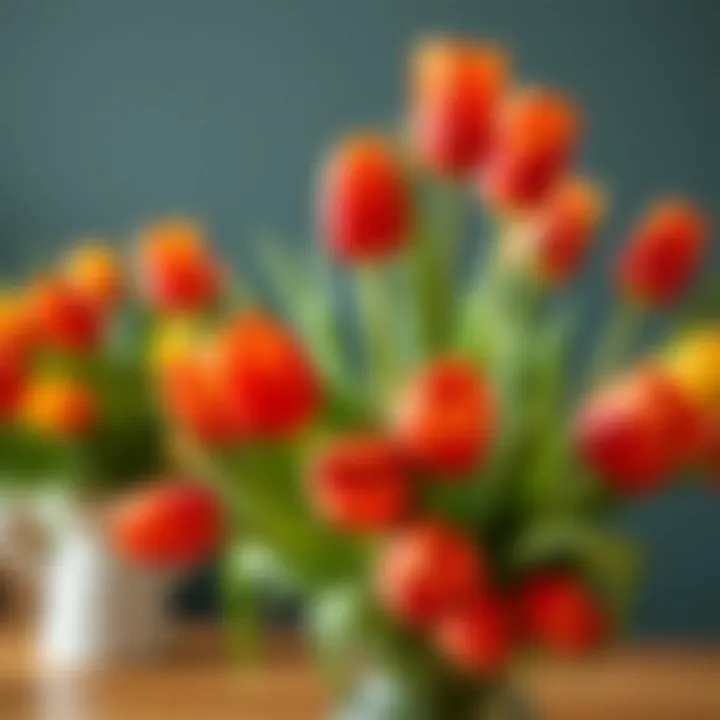
Tulip fake flowers have surged in popularity recently, offering a practical yet aesthetically pleasing alternative to fresh blooms. Whether you're enhancing your home decor or planning an event, these artificial flowers present versatile options. The charm of tulips, with their graceful forms and vibrant colors, can transform any space, and with advancements in production techniques, the realism of these faux blooms has improved remarkably.
In this exploration, we will take a closer look at the various aspects surrounding tulip fake flowers. From their design to their sustainability, this guide aims to cover everything you need to know about integrating these delightful floral pieces into your life.
What are the advantages, and where might you notice limitations? Also, how do these artificial representations impact the environment compared to natural varieties? Preparing for events or simply enhancing your home, it’s essential to consider both style and substance.
Let’s delve into the fascinating world of tulip fake flowers and uncover their allure.
Prelude to Tulip Fake Flowers
In the vibrant world of decor, tulip fake flowers have begun to claim their rightful place, becoming a favorite for many, from fashion enthusiasts to professional designers. Their allure doesn't just lie in their beauty; it extends into practical benefits that resonate with various lifestyles. Understanding tulip fake flowers is important because they represent more than mere imitation—they embody artistry, creativity, and sustainability.
Definition and Overview
Tulip fake flowers, also known as artificial tulips, are crafted to mimic the natural elegance of tulips, a beloved spring blossom. Unlike their organic counterparts, these faux flowers are made from a variety of materials like silk, polyester, or even high-quality plastic. Crafted with attention to detail, they aim to replicate the shape, color, and even texture of real tulips, allowing them to fit seamlessly into any arrangement or decor.
These fake flowers are designed to meet diverse aesthetic preferences, catering to everyone from minimalistic decorators to those who adore bold and bright palettes. Their main charm lies not only in the visual appeal but also in the convenience they provide—requiring no watering, sunlight, or soil, they thrive in any setting without the burden of maintenance.
Historical Context of Artificial Flowers
The artistry of artificial flowers dates back to ancient times. Historical records hint that civilizations, including the Egyptians and Romans, crafted flowers using materials such as silk and paper to beautify their spaces. However, it wasn’t until the 19th century that the production of artificial flowers advanced significantly, especially with the introduction of new materials and manufacturing techniques.
By the time the 20th century rolled around, the fascination with faux florals surged. The invention of plastic brought artificial flowers into the mainstream. The rise of home decor trends and the booming economy post-World War II led to a massive market for fake flowers, including tulips. In homes, these artificial flowers presented a practical solution for adding color and life, appealing to those who sought beauty without the associated labor of natural alternatives.
"Faux flowers are not just a product; they are a testament to human creativity and ingenuity, merging aesthetics with practicality."
Today, the legacy of artificial tulips continues to evolve, driven by modern techniques and sustainable practices. They not only fulfill the need for decor but also highlight a growing awareness and appreciation for environmentally friendly choices. As we explore further in the article, the multifaceted nature of tulip fake flowers becomes more apparent—spanning design intricacies, aesthetic value, and their role in eco-conscious living.
Design and Craftsmanship
The essence of tulip fake flowers lies significantly in their design and craftsmanship. This area encapsulates the artistry involved in creating vibrant, lifelike blooms that not only enhance aesthetics but also serve practical purposes across different settings. In the realm of artificial florals, the intricate details and high-quality materials used can make all the difference between a mere decoration and a statement piece. This section will explore the materials and manufacturing techniques, shedding light on the thoughtful processes that lead to the enchanting allure of tulip fake flowers.
Materials Used in Tulip Fake Flowers
Primary Materials
The choice of materials for tulip fake flowers is pivotal. Many of these creations often utilize polyester, a popular choice due to its durability and ability to mimic the texture of real petals. Polyester offers a few advantages, such as its vibrancy and resilience; colors do not fade easily, and it resists wear and tear, making these flowers ideal for long-term use. The flexibility of polyester allows designers to craft more realistic shapes and details that reflect the intricacies of nature.
However, polyester comes with its downsides. It is not biodegradable, raising questions about environmental impact. Still, many are drawn to its benefits, leading to a conversation about balancing beauty and sustainability.
Sustainability Considerations
As consumers become more eco-conscious, sustainability has become an integral consideration in the production of tulip fake flowers. Many manufacturers are now looking at eco-friendly materials such as recycled plastics and plant-based fibers. The push toward sustainability is not just a trend; it represents a significant shift in consumer sentiment where buyers prioritize environmentally responsible choices.
Utilizing recycled materials often leads to unique textures and finishes, giving each flower a distinctive look. This choice demonstrates a commitment not only to aesthetic appeal but also to the planet, as these materials can reduce waste and the reliance on new resources. However, the trade-off might be in texture or durability; some eco-friendly options might not last as long as traditional materials, making it essential to balance beauty with consciousness in any collection of tulip fake flowers.
Manufacturing Techniques
Handcrafted vs. Mass-Produced
When it comes to manufacturing techniques, the debate between handcrafted and mass-produced tulip fake flowers is worth noting. Handcrafted options often bear an artisanal quality, showcasing the skill and attention to detail of the creator. Each piece may feature slight variations, bringing a sense of authenticity and uniqueness.
There’s an undeniable charm in handcrafted flowers; they often have intricate details that mass production struggles to replicate. On the flip side, mass-produced flowers can provide cost-effective solutions for decorators or retailers looking to outfit large spaces economically without sacrificing beauty.
The choice between handcrafted and mass-produced comes down to personal preference. For someone desiring individuality and charm in their decor, handcrafted options may appeal more, while those in need of abundance and uniformity may prefer mass-produced alternatives.
Technology in Design
Technology has undoubtedly changed the landscape of floral design significantly. With advancements like 3D printing and sophisticated textile manufacturing tools, designers can create exquisite tulip fake flowers that are incredibly lifelike. These new technologies contribute to more precise production techniques, offering better detailing and a wider range of styles.
While technology enriches the process, it is crucial to maintain a human touch to keep the flowers relatable and warm. The balance of technology and artistry creates an opportunity for infinite customization. With this level of innovation, customers can enjoy flowers that maintain their charm while being tailored to meet diverse tastes and settings, merging functionality and exceptional beauty.
Aesthetic Appeal
The aesthetic appeal of tulip fake flowers is a significant aspect to consider for anyone involved in interior design, floral arrangement, or event planning. They serve not just as decorations but as versatile elements within any decor style. To put it simply, artificial tulips infuse spaces with a sense of warmth and charm without the upkeep that real flowers demand. Let's break this down into key components of their attractiveness.
Color Varieties and Realism
Color Psychology
Color psychology plays a pivotal role in how we perceive our surroundings. When applied to tulip fake flowers, the colors can evoke specific emotions or set the desired mood in a space. For instance, red tulips can symbolize deep love and passion, while yellow tulips radiate cheerfulness and warmth. This emotional connection is essential because it influences how spaces feel to us. A vibrant mix of colors can enliven a room, making it feel more inviting and alive.
Moreover, the unique aspect of color psychology in tulips is how it can cater to personal preference. Some individuals may lean towards pastel shades for a soft, calming aura, which contrasts dramatically with bold, bright colors intended to capture immediate attention. This versatility is a hallmark of tulip fake flowers that enhances their desirability in various settings.
However, a downside to keep in mind is the potential for color fading over time, often due to exposure to sunlight. If you ignore this factor, the vibrant hues may lose their luster and turn dull, undermining their aesthetic purpose.
Mimicking Natural Beauty
Mimicking natural beauty is another vital component that adds to the allure of tulip fake flowers. Modern craftsmanship employs various materials and techniques to create artificial flowers that closely resemble their living counterparts. This approach allows manufacturers to replicate every detail—from the fine veins in the petals to the subtle color gradations found in genuine tulips.
The pressing question is: why is this characteristic important? The answer lies in authenticity. People seek to bring elements of nature indoors, yet also want convenience and longevity that living flowers cannot provide. Tulip fake flowers bridge this gap, offering a sense of natural beauty without the hassle of wilting and replacing.
However, a common criticism is that some artificial flowers can fall short of realism, making them seem overly synthetic. That's where selecting high-quality products comes in. Investing in well-crafted options can genuinely elevate a space, ensuring that the emulation of nature is so convincing that it almost blurs the lines between the two.
Benefits of Tulip Fake Flowers in Decor
Versatility in Styling
One of the most significant boons of tulip fake flowers is their versatility in styling. These blooms can blend seamlessly into various decor styles—from rustic farmhouse to sleek modern spaces. For instance, a simple vase filled with bright tulips can serve as a focal point on a dining table, while a minimalist arrangement of white tulips might complement a contemporary office environment. The possibilities are practically endless.
The unique feature of this versatility lies in the accessibility of color and shape. Unlike natural flowers, which are seasonal and have varying availability, tulip fake flowers can be found in virtually every color and size imaginable. This characteristic allows for creativity in arrangement and enhances personal expression in decor.
That said, there’s a possibility of overusing them. A well-placed bouquet can elevate a space, but excessive arrangements might feel cluttered or artificial. Balancing the placements of these artificial blooms is crucial for maintaining that harmony.
Longevity of Use
The longevity of tulip fake flowers is another standout benefit. These blooms can maintain their freshness and aesthetic allure year-round, without any need for water or sunlight. This not only alleviates the hassle of maintenance but also provides a cost-effective alternative to purchasing fresh flowers regularly. You can enjoy their beauty without the worry of wilting.
This durability means firm savings for those who frequently decorate for seasons or events. A single set of tulip fake flowers can last for several years, making them not just a stylish choice, but a smart one as well. However, care is still needed. While they won't wilt, neglecting regular cleaning can cause dust accumulation, which can detract from their charm over time.
"In a world filled with constant change, tulip fake flowers provide a steady presence of beauty that one can rely on."
In summary, the aesthetic appeal of tulip fake flowers lies in their color varieties, their ability to mimic natural beauty, and their practical benefits in style and longevity. Understanding these facets can provide invaluable insights whether you are a designer creating an arrangement or a homeowner looking to add a touch of elegance to your living space.
Applications in Various Settings
The versatility of tulip fake flowers extends far beyond mere ornamental use. Their appeal spans a myriad of environments, from personal living spaces to large-scale events. This section unpacks how these artificial florals enhance various settings, emphasizing their aesthetic contribution and practicality.
Home Decor
Living Spaces
In living spaces, tulip fake flowers can transform the atmosphere into a welcoming retreat. They serve as focal points on coffee tables, end tables, or mantelpieces, contributing a splash of color and elegance. The classic design of tulips can fit seamlessly into various decor styles, whether one prefers a minimalist aesthetic or a more eclectic look. The advantage of using fake flowers is that they require minimal maintenance—no watering or wilting to contend with, which appeals to busy individuals or those who travel frequently. This characteristic makes them a particularly smart choice for people who want to keep their living areas inviting without the hassle of caring for real plants.
Seasonal Decor
Shifting gears to seasonal decor, tulip fake flowers shine just as brightly. They allow homeowners to effortlessly update their spaces with the changing seasons. For instance, bright pastel colors can signify spring, while deeper hues might reflect autumn’s warmth. This adaptability is a major draw, allowing for rapid re-styling according to personal taste or seasonal themes. The unique feature of integrating seasonal colors offers endless possibilities. However, it's crucial to ensure that the chosen colors resonate with the overall home palette, as mismatched decorations can create visual discord.
Event Planning
Weddings
When it comes to weddings, tulip fake flowers are often a go-to for decorators and planners. Their aesthetic charm can match a wide array of wedding themes—from rustic barn events to elegant ballroom affairs. The key characteristic of using artificial florals at weddings is lower cost compared to fresh flowers, allowing couples to allocate their budgets elsewhere. Furthermore, these flowers can be reused, making them a practical investment.
Advantages and Disadvantages
One significant advantage is that they can be prepared well in advance, alleviating stress as the big day approaches. However, it's essential to choose high-quality reproductions to ensure that they don’t compromise the visual integrity of the event. Realistic-looking flowers can be indistinguishable from genuine blooms, providing a lush look without the drawbacks.
Corporate Events
In the realm of corporate events, tulip fake flowers provide not just decoration but also branding opportunities. Floral arrangements can be crafted in company colors, reinforcing brand identity—something fresh flowers might not accomplish during off-seasons. A notable benefit is the longevity—they can be displayed before, during, and even after the event without concern for spoilage.
Unique Feature
Moreover, the maintenance-free aspect of synthetic flowers allows event planners to focus on other significant details. However, planners should not overlook the aesthetic of high-quality fabrics and finishes; these need to be at par with the decor's overall professionalism.
Gifts and Personal Expression
Lastly, tulip fake flowers serve as a unique medium for personal expression or as thoughtful gifts. From customizing arrangements that speak to an individual’s personality to offering them as enduring gifts that won’t fade, the possibilities are numerous. Their presence in any given space speaks volumes about the giver's sentiment and thoughtfulness.
"Artificial flowers are not just substitutes for the real thing; they represent a different type of beauty, one that endures through time."
Environmental Considerations
Understanding the environmental considerations surrounding tulip fake flowers offers more accurate insights about their role in our lives and their impact on the planet. While the appeal lies in their beauty and durability, it's crucial to evaluate both environmental impacts and sustainability practices. This section examines how artificial flowers compare to their natural counterparts, spotlighting factors like environmental impact and biodegradability.
Artificial vs. Natural Flowers
Environmental Impact
The environmental impact of artificial flowers is a subject of ongoing discussions. One notable aspect is the energy and materials required for their production. Many artificial flowers are made from synthetic materials like polyester, which, while durable, are derived from non-renewable resources. This raises eyebrows, especially among eco-conscious consumers.
In contrast, natural flowers have their own set of challenges—including the resources needed for cultivation and transportation, which contribute to their carbon footprint. However, they break down naturally, which synthetic options do not. This creates a dilemma. When one compares the two, tulip fake flowers often emerge as a preferable option for people seeking longevity in decor. They don’t wilt, necessitating no water or regular replacements.
The key takeaway here is that while tulip fake flowers have their downsides, their long life span leads to lower overall waste in the end, which is a contributing factor to their growing popularity. Ultimately, it’s about balance: weighing the ecological footprint during production against long-term usage.
Biodegradability
Biodegradability is another critical point that highlights the difference between artificial and natural flowers. Natural blooms are naturally biodegradable; they decompose over time, enriching the soil. This is beneficial for garden enthusiasts and nature lovers who value sustainability. On the other hand, tulip fake flowers do not break down in the same manner; many can persist in landfills for considerable periods.
Yet, it's vital to stretch the conversation further than just disposal attributes. Some modern manufacturers are starting to create faux flowers with materials that incorporate sustainable practices—like recycling and using biodegradable components. This is a promising direction for the industry.
Currently, typical synthetic materials used in tulip fake flowers might not be fully friendly to the environment, but this may change as awareness grows. Although the unique sustainability practices among producers may not fully eliminate the eco-footprint, they represent a step toward responsible manufacturing.
Sustainable Practices in Production
Production methods for tulip fake flowers are increasingly scrutinized through the lens of sustainability. It’s no longer sufficient to simply produce a product; consumers are demanding transparency and ethical practices. There are notable efforts to create bouquets that are less harmful to the environment.
These sustainable practices may include:
- Using recycled materials: Some brands are opting for petals made from previously used plastics or other recycled textiles.
- Reduced energy consumption: Employing energy-efficient machinery and techniques not only lowers production costs but also reduces overall emissions.
- Ethically sourced materials: Using materials that do not exploit natural resources can resonate with environmentally aware consumers.

While the industry is far from perfect, these advancements offer hope for a greener future. Acknowledging the environmental aspects of tulip fake flowers contributes to a broader conversation about responsibility in consumer choices and encourages both manufacturers and customers to support initiatives that seek to lessen negative impacts on the planet.
In summary, exploring the environmental considerations regarding tulip fake flowers is essential for a comprehensive understanding of their allure. By weighing factors like environmental impact and biodegradability, as well as looking at sustainable production practices, consumers can make more informed choices that align with their values. To maintain a balance between aesthetics and ecological awareness, a mindful approach to artificial floral decoration is crucial.
Market Trends
Understanding the market trends surrounding tulip fake flowers is crucial to appreciating their rising popularity and broadening appeal. Over recent years, there has been a marked inclination toward artificial florals, particularly tulips, in various settings ranging from homes to upscale events. This shift is not merely a fad; it's a reflection of changing consumer preferences, enhanced design capabilities, and broader societal trends.
Growing Popularity of Artificial Florals
The increasing fondness for artificial flowers is evident in both consumer behavior and industry growth. The allure lies in the realism that modern manufacturing techniques have enabled. Today’s tulip fake flowers often bear striking similarities to their live counterparts in terms of color and texture. Here’s a closer look at what’s driving this popularity:
- Convenience: Tulip fake flowers require no watering, sunlight, or special care. They fit perfectly into busy lifestyles, making them an attractive option for individuals with limited time or resources.
- Longevity: Unlike fresh flowers that wither and fade, artificial tulips maintain their vibrancy for months or even years. They are not seasonal, offering beauty year-round.
- Cost-Effectiveness: While the initial investment may be higher for quality fake flowers, they pay off in the long run. No more periodic purchases of fresh blooms means more savings.
- Versatility: Whether for seasonal displays or everyday décor, tulip fake flowers adapt easily. They can be dressed up in ornate arrangements or stand alone in a minimalistic vase, catering to a variety of aesthetic preferences.
Consumer Preferences
Diving deeper into consumer preferences reveals some interesting insights. Modern shoppers are increasingly looking for options that combine style with sustainability. Here are some dimensions of consumer preferences that play a significant role:
- Style Over Substance: Many consumers now seek out items that provide visual appeal without the burden of regular maintenance. Tulip fake flowers fit firmly into their vision of effortlessly chic home décor.
- Sustainability Concerns: There is a growing consciousness about the environmental impact of cut flowers, including the carbon footprint associated with their production and transport. Fake tulips, particularly those made from eco-friendly materials, align with the values of environmentally-conscious buyers.
- Customization: Advances in technology have allowed for greater personalization. Consumers enjoy choosing colors, styles, and arrangements that complement their unique tastes and home décor themes.
- Influence of Social Media: Platforms like Instagram and Pinterest play a significant role in shaping consumer preferences. Eye-catching setups featuring tulip fake flowers can go viral, driving interest and sales.
"With the artificial flower market soaring, understanding these trends will help consumers and retailers alike tap into the evolving landscape of interior aesthetics."
It's clear that the market for tulip fake flowers is thriving, driven by a combination of convenience, durability, and aesthetic appeal. As society continues to change, so does the landscape of floral design, making it an exciting field for both consumers and those in the design industry.
Caring for Tulip Fake Flowers
Caring for tulip fake flowers might seem trivial, yet it's crucial for preserving their charm and appearance over time. Unlike real blooms that wilt and fade, these artificial counterparts require some attention to maintain their aesthetic appeal. The right care not only ensures they stay vibrant and visually inviting but also enhances their longevity, making them a worthy investment in any setting.
Cleaning and Maintenance Tips
Keeping tulip fake flowers clean is essential for showing off their lifelike beauty without a hint of dust or grime. Here are some practical tips to keep them looking fresh:
- Regular Dusting: Just like any décor item, dust can accumulate on artificial flowers. A gentle run with a microfiber cloth or a feather duster once a week can work wonders.
- Deep Cleaning Options: If more than dust clings to your tulips, consider a rinse. Gently wash them with warm, soapy water. Avoid submerging; instead, use a soft sponge to wipe them clean. After washing, let them air dry completely before placing them back on display.
- Check the Hot Spots: Pay special attention to areas where flowers typically attract dust more, such as the centers or the petals' crevices. Those spots can hide dirt that might not be immediately visible.
- Protect from Sun Exposure: Direct sunlight can fade the colors of artificial flowers over time. If you want to keep your tulips vibrant, place them strategically away from incessant sun beams or use UV-resistant spray designed to protect colors from fading.
As the saying goes, "A little care goes a long way." This is particularly true when it comes to your cherished tulip fake flowers.
Storage Suggestions
When it's time to store tulip fake flowers, either for seasonal decor changes or just to keep them safe, a few thoughtful practices can make all the difference:
- Use Original Packaging Where Possible: Storing flowers in their original packaging can prevent damage. If that’s not an option, consider using a box that provides some cushioning.
- Avoid Cramping: Ensure flowers are not crammed into tight spaces, as this can lead to bent wires or damaged petals. Giving them some space is key to avoiding unwanted shape changes.
- Climate Control: Keep your artificial flowers away from extreme temperatures. A cool, dry place is ideal; avoid the attic or damp basement. Excess humidity can lead to mold, creating problems that could ruin the investment.
- Store Upright: If you can, store tulip fake flowers standing up to maintain their natural shape. Alternatively, wrap them in tissue paper or bubble wrap to shield them from crushing.
By adhering to these cleaning and storage tips, tulip fake flowers can stay as appealing as the day they were brought home, making them suitable choices for any occasion or decor preference. The care you invest will pay off by ensuring these pieces continue to brighten your space for many seasons ahead.
Ending: The Enduring Charm of Tulip Fake Flowers
The enduring charm of tulip fake flowers extends well beyond their aesthetic appeal. This article pulled back the curtain on the practical side of incorporating these florals into everyday life. It is worth noting that while genuine plants can bring life to a space, tulip fake flowers offer unique benefits that make them an attractive alternative for many. In essence, this section crystallizes both the allure and the functionality of artificial flowers in today’s dynamic environment.
Summarizing Key Points
Several key observations have highlighted the importance of tulip fake flowers. Firstly, their craftsmanship, whether handcrafted or mass-produced, showcases a commitment to quality that does not go unnoticed by discerning consumers. The variety of materials employed speaks volumes about sustainability practices, with many manufacturers shifting towards eco-friendly options that appeal to environmentally-conscious buyers.
Moreover, the versatility of tulip fake flowers cannot be overstated. They adapt gracefully to various settings, whether as centerpieces for lavish events or understated décor in living spaces. Their longevity offers a significant edge, freeing people from the constraints of seasonal changes. In addition, this article covered cleaning and maintenance ideas, maximizing the investment made in these beautiful items.
"Artificial florals defy the natural cycle, remaining resilient and beautiful through it all."
Future Directions in Artificial Floral Design
Looking ahead, the future of artificial floral design appears both promising and exciting. As technology becomes more ingrained in textile production, one can anticipate advancements leading to even greater realism. Imagine fabrics and textures that mimic the delicate petals of tulips with impeccable precision. Furthermore, incorporating smart technologies into artificial flowers could lead to maintenance-free flora that responds to lighting or ambience.
Additionally, it is important to consider the growing movement towards sustainability. Designs that emphasize biodegradable or recyclable materials could reshape the market. As designers continue to champion creativity and ecological responsibility, tulip fake flowers will likely pave the way for innovative approaches that remain both visually striking and environmentally sound.
In summary, the enduring charm of tulip fake flowers encapsulates the interplay between beauty and practicality. A range of considerations, from aesthetic desire to environmental impact, reinforces their continued relevance in our lives. The journey to explore these enchanting creations shows that they offer more than mere decoration; they represent thoughtful choices in how we enhance our spaces.