Exploring the Versatility of Pink Glue in Nail Fashion
Intro
In the world of beauty and fashion, pink glue has carved out a unique niche, especially within the realm of nail artistry. This article seeks to unveil how integral pink glue is in nail enhancements, offering a combination of aesthetics and functionality. The exploration will dive into the properties that make pink glue a go-to for both DIY enthusiasts and seasoned professionals. As we navigate through its applications, safety considerations, and evolving trends, it's essential to ground our understanding of pink glue's relevance in personal style and nail maintenance.
Fashion Trends
Current Season Highlights
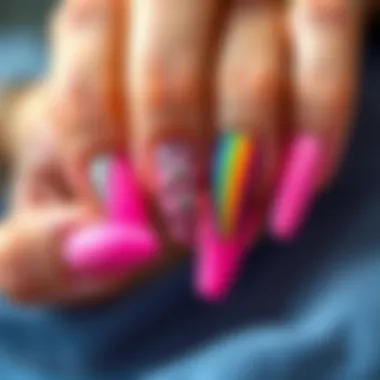
The current trend in nail fashion showcases bold color palettes and intricate designs, where pink glue serves as a reliable adhesive. Whether it's for attaching decorative elements like rhinestones or ensuring seamless applications of artificial nails, the use of pink glue has reached a new high. This season, the juxtaposition of matte and glossy finishes has captivated fashion enthusiasts. Pink glue not only facilitates these imaginative designs but also adds a layer of finesse that sets the overall look apart.
Influential Designers and Their Impact
Several nail artists and fashion designers have influenced the resurgence of pink glue in nail care. Renowned figure Madeline Poole, known for her avant-garde style, often employs pink glue in her intricate creations. Her bold experimentation with different textures and colors has popularized pink glue as not just a functional aspect of nail design but an essential part of the artistic process.
"Nail aesthetics isn't just about the color; the glue you choose can redefine creativity." – Madeline Poole
Applications of Pink Glue
Nail Art and Extensions
Pink glue isn’t just another adhesive; it serves various purposes in enhancing nail art and extensions. It’s ideal for:
- Attaching acrylic nails. Its staying power ensures a long-lasting bond, crucial for those who prefer the durability of artificial nails.
- Adding embellishments. From gems to tiny charms, pink glue helps secure additional elements without compromising the overall look.
- Creating intricate designs. Nail artists use pink glue to experiment with layered designs, enabling more complex styles.
DIY Maintenance
For DIY enthusiasts, pink glue is invaluable. It allows individuals to maintain their nails at home. Regular upkeep of nail health with pink glue can:
- Promote self-expression through unique designs.
- Save money while ensuring salon-quality results.
- Offer a convenient solution during nail emergencies, such as securing a broken nail in a pinch.
Safety Considerations
While pink glue serves as an essential tool in the beauty arsenal, certain precautions should not be overlooked.
- Allergies: It's always wise to perform a patch test prior to extensive use, especially for those with sensitive skin.
- Application method: Avoid overusing the product. Excessive amounts can lead to unintentional messiness.
- Removal techniques: Proper removal is crucial to avoid damaging natural nails. Using acetone-free removers is often recommended for gentle elimination.
Trends and Future Outlook
As the beauty landscape continues to evolve, the role of pink glue is expected to expand. The sustainable beauty movement is emerging, prompting manufacturers to explore eco-friendly formulations. Moreover, the influence of social media platforms, such as Instagram, will likely propel pink glue into new realms of creativity and usage. Whatever may come, the tie between pink glue and nail artistry is likely to thrive.
Prelude to Pink Glue
Nail enhancement has evolved into an elaborate art form, where creativity meets precision. Among the various materials that adorn our nails, pink glue stands out as a pivotal component. Understanding the role and significance of pink glue in nail art is fundamental for both professionals and enthusiasts alike. This section delves into the essence of pink glue, exploring its definition, purpose, and historical context to lay a strong foundation for the intricate discussions that follow.
Definition and Purpose
Pink glue, often referred to in beauty circles as a specialized adhesive, is designed primarily for use in nail application. It serves to bond artificial nails, nail tips, or decorative elements securely onto natural nails. This unique adhesive not only holds these enhancements in place but also complements the aesthetic appeal of nail art by blending seamlessly with different shades of polish. Its viscosity is formulated specifically to facilitate delicate designs, ensuring artists can work with precision.
The purpose of pink glue transcends mere adhesion; it acts as a conduit for creativity. In a world where first impressions count, having beautifully manicured nails can enhance one's overall look. With pink glue, the barriers that once existed in achieving intricate designs fade away. Enthusiasts can experiment with trendy placements of rhinestones or create vibrant 3D nail art with ease. Thus, pink glue embodies both function and form, playing a vital role in any nail-centric endeavor.
Historical Context
Tracing back through history, the practice of nail enhancement has taken many forms, with affiliations to cultural practices and societal norms. Some records suggest that as early as 3000 BC, ancient Egyptians used mixtures of substances to improve the appearance of their nails. However, the contemporary product we now know as pink glue can be credited to technological advancements in the nail industry during the late 20th century. This era saw the introduction of synthetic materials that provided better adhesion, durability, and ease of application.
In the 1990s, the rise of acrylic nails marked a significant turning point in the nail art world. Pink glue became a staple in nail salons, where technicians began relying on it for its strength and quick-drying properties. It was in this period that its dual function, both as an adhesive and a cosmetic enhancer, truly blossomed. Today, pink glue continues to maintain its relevance, adapting alongside evolving trends, whether that’s in the realm of nail art or the shifting perceptions of beauty.
Overall, understanding the introduction of pink glue in this light reveals its integral part in both personal expression and professional craftsmanship. As we now move to examine its chemical make-up and varied applications, the importance of pink glue only sharpens in clarity.
Chemical Composition of Pink Glue
Understanding the chemical composition of pink glue is crucial for both the practitioners and enthusiasts in the nail art world. While many might consider pink glue merely as a means to an end, its ingredients and their interactions play a significant role in determining the effectiveness and safety of its application. In this section, we will delve into the main ingredients that constitute pink glue, as well as examining the health and safety considerations pertinent to its usage. With nail enhancements on the rise, a thorough comprehension of these elements is valuable in ensuring not only aesthetic appeal but also the well-being of users.
Main Ingredients

The backbone of pink glue lies in its distinctive formulation, which generally includes:
- Acrylic Polymer: This is a primary component that ensures the glue has strong adhesion properties. It’s the secret sauce that allows the glue to form a sturdy bond, particularly when applying embellishments like gems or intricate nail art designs.
- Solvents: These are involved in creating the right consistency for the glue to be effective yet manageable during application. Common solvents include ethyl acetate and butyl acetate, which ensure a smooth application without clumping.
- Colorants: A unique feature of pink glue is its color. The pink hue usually comes from cosmetic-grade dyes that not only enhance visual appeal but also help in camouflage, supporting the overall look of the nail enhancement. This makes it easier to disguise any minor imperfections during the application.
- Additives: These ingredients might include plasticizers that improve flexibility and toughness, allowing the glue to hold better under stress from everyday wear and tear.
Overall, each component plays a vital role in the performance of pink glue, ensuring it caters to the aesthetic and practical needs of nail art enthusiasts.
Health and Safety Considerations
With any beauty product, health and safety considerations cannot be sidelined. Pink glue, while effective, comes with certain precautions to ensure safe usage:
- Allergic Reactions: Some individuals may have sensitivities to specific ingredients in the glue, especially the colorants or solvents. It’s advisable to conduct a patch test before full application, particularly for those with sensitive skin.
- Ventilation: The solvents in pink glue can release vapors that may be harmful when inhaled in high concentrations. Use this product in a well-ventilated space to minimize any risks associated with inhalation.
- Application Technique: To reduce the likelihood of contact with skin, take care during application. Misplacement can lead to irritation or allergic responses. Precision is important.
- Storage: Store pink glue in a cool, dry place away from sunlight to prevent degradation of its ingredients, which can compromise its effectiveness. Proper storage ensures longevity and makes the experience safer for users.
"It's important to treat nail adhesives as any chemical product—understanding their properties leads to better practices and outcomes for all."
In summary, the chemical components of pink glue significantly impact its performance, making comprehension of these ingredients essential for both safe and effective nail enhancements. As individuals or professionals dive into the world of nail art, being informed about these specifics allows for better decision-making and optimal application.
Applications of Pink Glue in Nail Art
When it comes to nail artistry, the materials one chooses can either elevate a design or let it flop. Pink glue stands out as a favorite for many professionals and DIY enthusiasts alike. Not just for its striking hue, which can complement or contrast beautifully with nail colors, but also for its versatility in application. This section dives into the different ways pink glue is applied in nail art, showcasing its importance in the creative process and ensuring that nails are nothing short of show-stoppers.
Popular Nail Techniques Using Pink Glue
Rhinestone Placement
Rhinestone placement is a staple in nail decoration, adding flair and attraction to any set. The specific aspect of pink glue that makes it advantageous for this technique is its quick-drying property. This feature becomes crucial in ensuring that those sparkling stones stay put, even when one is doing daily tasks.
The key characteristic of rhinestone placement with pink glue is precision. Artists can artistically place each gem, and the glue helps hold it securely without overflow. This is vital because any excess glue can distract from the overall design.
A unique feature of using pink glue for rhinestones is its ability to create a seamless blend with colored nails, giving the illusion of a more professionally applied finish. Among the advantages, the glue dries clear, which is pleasing for anyone aiming for a polished look. On the flip side, if too much glue is applied, it can take longer to dry, leading to mishaps or smudging that can ruin the effort put into the design.
3D Nail Art
3D nail art takes creativity to another level, and pink glue serves as the perfect bonding agent for its application. The specific aspect that makes pink glue significant in 3D nail art is its robust sticking capability, which supports heavier embellishments like flowers or intricate sculptures.
One key characteristic of this art form is the tactile experience it offers. Those employing 3D designs can go wild with textures and heights, creating a visual feast for the eyes. It’s a popular choice among many as it gives personality to otherwise flat surfaces.
Employing pink glue helps achieve those elevated designs while maintaining stability. Unique to this technique is how well the glue works with various materials, whether it's acrylic, rhinestones, or colors. Its versatility becomes a considerable advantage in achieving unique and whimsical designs. However, care must be taken to ensure that applications are feather-light in earlier layers, as heavy-handedness can lead to a cumbersome finish that loses its charm.
Benefits of Using Pink Glue for Artistry
The benefits of using pink glue extend beyond aesthetics. First and foremost is its ease of use; many find the application process straightforward, whether they are seasoned artists or simply indulging in home manicures.
Moreover, pink glue can offer longer-lasting designs compared to traditional nail adhesives, allowing for extended wear without the usual chipping or lifting that one might experience.
In a world where nail art continues to evolve, understanding how to leverage pink glue for any artistic endeavor is a game changer. As techniques advance, the role of this specific glue in nail art remains a cornerstone, merging functional with fabulous.
Pink glue's unique color and properties provide not just a utility, but also enhance the creative process of nail artistry, turning every manicure into a canvas for personal expression.
Ultimately, the applications of pink glue in nail art are as diverse as the designs themselves, and when used correctly, it can lead to masterpieces right at your fingertips.
Comparison with Other Nail Adhesives
In the world of nail enhancements, several types of adhesives hold court; however, pink glue has carved out a special niche. Understanding how pink glue stacks up against its counterparts is crucial not only for nail artists but also for those who value their manicures. This comparison sheds light on distinct attributes, usability, and perfect applications daintily navigating the realm of nail creativity.
Pink Glue vs. Clear Glue
When it comes to nail adhesion, the battle between pink and clear glue is akin to choosing between a vibrant sunset and a clear blue sky. Each serves its purpose but caters to different aesthetic inclinations and practical needs.
Visual Appeal: Pink glue, with its subtle tint, is tailored for use in nail art that requires a fusion between the adhesive and the design. Whether it’s a patterned nail or a simple pastel base, the color of pink glue blends seamlessly, becoming almost invisible. Clear glue, on the other hand, boasts versatility too, but may contrast sharply with colorful nail art, creating a visible separation that enthusiasts may find unflattering.
Adhesion Strength: While both types of glue are designed to form a sturdy bond, some find that pink glue provides a slight edge in adherence for particular embellishments. Its unique chemical formulation aids in attaching intricate designs without running the risk of slippage. Clear glue can work wonders, but for more complex nail art, many professionals lean towards pink glue for that touch of extra security.
Application Technique: The application process differs too. Pink glue generally allows for a smoother glide, making it user-friendly for amateurs and experts alike. Clear glue requires meticulous handling, or it can easily create an unsightly mess. In short, while both possess strengths, pink glue often wins out in scenarios demanding precision and flair.


Pink Glue vs. Gel Adhesives
The conversation doesn’t stop there; gel adhesives enter the scene, adding another layer of intrigue.
Durability: Gel adhesives are renowned for their tough-as-nails reputation, offering long-lasting hold even in the most tumultuous conditions. However, pink glue still competes fiercely due to its own fortified adhesion properties, making it reliable for extensive wear in casual settings. For individuals seeking something lighter yet effective, pink glue offers peace of mind while maintaining a semblance of natural elegance.
Curing Needs: One of the cornerstone differences lies in the method of drying. Gel adhesives require a curing lamp, making their application more of a multi-step process. In contrast, pink glue air-dries, presenting a hassle-free experience—perfect for those impromptu nail art sessions or quick fixes without the need for special equipment.
Versatility: While gel adhesives excel in holding extensive nail applications and providing a glossy finish, pink glue serves a broader spectrum of uses. Nail artists often appreciate its flexibility, whether dealing with rhinestones, glitter, or 3D additions. It allows for seamless integration of designs in a way that gel often can't, due to its rigidity.
"Choosing the right adhesive is a vital part of nail art; it’s not just about the look, but how it all functions together."
In summary, while clear glue and gel adhesives each have their own merit, pink glue stands out for its balanced versatility, ease of use, and aesthetic integration in nail art. The choice ultimately boils down to the desired outcome and personal preference—a testament to the vibrant world of nail enhancement.
Professional Use of Pink Glue
In the world of nail enhancements, the use of pink glue stands out as a significant element, especially in professional settings. This adhesive is often regarded as a beauty staple across nail salons and is crucial for achieving designs that are not only visually stunning but also durable. Using pink glue in a professional environment offers a variety of benefits, from providing a strong bond for various nail applications to enhancing the overall aesthetic appeal of nail art. Knowing about the professional use of pink glue helps both nail artists and clients appreciate its value in the realm of beauty.
Nail Salons and Pink Glue
Nail salons often serve as the first point of contact for individuals looking to elevate their nail game, and pink glue plays a pivotal role therein. Whether for a simple manicure or an elaborate nail extension, this glue acts as a binding agent that holds all elements together seamlessly. Most notably, pink glue is used in conjunction with acrylics and embellishments, allowing for intricate art that captures the eye.
One of the reasons professional nail technicians favor pink glue is its color. Unlike clear adhesives, the pink tint complements well with natural nail tones, making it less noticeable when applied. This attribute offers a sense of polish to nail designs, contributing to a more cohesive look.
Additionally, because pink glue has a sturdy hold, it presents an ideal solution for designs featuring rhinestones or gems that demand reliability. Clients appreciate the fact that they can leave a salon with flawless nails that can withstand the rigors of daily life. This adhesive ensures that the artworks don’t just dazzle for a day, but have longevity as well.
Training and Certification
For nail technicians, knowledge surrounding the application of pink glue is paramount. Many respectable salons require their staff to undergo formal training and certification processes that cover everything from nail anatomy to the best practices for glue application. Understanding how to properly use pink glue can significantly impact a technician’s performance and the satisfaction of their clients.
Certification courses often include hands-on modules and theoretical knowledge about different adhesives, where pink glue is highlighted as a primary focus. These courses educate technicians on:
- Application Techniques: Learning how to apply glue effectively is essential. This includes knowing the right amount to use, the appropriate tools, and the timing for placing nails or decorations.
- Health and Safety Concerns: Professionals are trained on potential allergic reactions or sensitivities some clients may have toward the components of pink glue. Awareness in this area ensures that technicians can provide safe services.
- Troubleshooting Skills: In a fast-paced salon environment, challenges can arise. Technicians are prepared to manage issues like lifting or peeling, ensuring clients have a consistently high-quality experience.
The importance of training cannot be overstated. Technicians who are well-versed in the nuances of pink glue use can provide better service, leading to repeat business and positive referrals. Investing time in professional development ultimately elevates the quality of services provided in nail salons.
"A skilled nail technician is like an artist; the tools they use, including pink glue, can make or break their masterpiece."
The journey to mastering pink glue is a continuous process, as trends, techniques, and product formulations evolve. Staying updated and knowledgeable is key for any professional striving for excellence in the nail art industry.
DIY Tips for Applying Pink Glue
Applying pink glue for nails isn't just a trend; it's an art that demands precision and care, particularly if you're venturing into the DIY territory. This section will offer practical tips for those who want to apply pink glue at home, all while ensuring a professional look without breaking the bank. Understanding the process and preparation can make all the difference, allowing you to achieve lush, long-lasting nails that showcase your personal style.
Preparation of Nails
Before reaching for that pink glue, preppin' your nails is crucial. The first step is cleaning your nails thoroughly to remove any polish or residue. Use a gentle nail polish remover, and remember to wash your hands afterward. It’s like prepping the canvas before painting.
Next, ensure you push back the cuticles gently. This step not only enhances the overall appearance but also creates a smooth surface for the glue application. You wouldn't want any bumps or ridges to interfere with your design, that's for sure. If needed, lightly buff the surface of your nails. This gives the glue something to cling onto, making your design last longer. However, avoid over-buffing, as it can weaken the nail.
A key point to consider is hydration. Applying a nourishing oil to your cuticles and nail beds before gluing can prevent your nails from drying out. It’s a small detail but worth its weight in gold for keeping those nails looking healthy.
Step-by-Step Application Process
So you’ve cleaned and prepared your nails. Now the fun part begins. Here’s a simple, yet effective step-by-step guide to applying pink glue:
- Gather Your Supplies: Besides the pink glue, gather all necessary materials. This includes scissors, nail tips (if using), and any decorative elements like rhinestones or glitter. Having everything on hand helps streamline the application process.
- Apply the Pink Glue: With a steady hand, apply a thin layer of pink glue to your nail or the nail tips. The less you use, the less mess you'll make, so you want to have a firm grip but don’t overdo it.
- Join the Tips: If you are using nail tips, press them onto your nail bed gently. Hold for a few seconds. If it’s a design element like a rhinestone, place it into the glue before it dries.
- Curing Period: Allow time for the glue to dry. This can take several minutes, so be patient. Waving your hands around won’t speed it up. Having the television on can help distract you during this waiting game.
- Finishing Touches: Once everything has set, you can shape your nails using a file, adding polish or topcoat as you wish. This will not only finish the look but also seal everything in nice and tight.
"A well-prepared nail is half the battle won."
Following these steps reduces mishaps and elevates the overall quality of your nail art. By investing time in preparation and being meticulous in your application, you transform a basic nail job into a dazzling showcase of creativity. After all, your nails are an extension of your personality, and every detail counts.
Maintenance and Care for Pink Glue Nails


When it comes to pampering your nails using pink glue, the journey doesn’t stop with just the application. Maintaining and caring for pink glue nails is crucial for keeping them looking fresh and fabulous. Proper upkeep not only extends the life of your nail art but also ensures that your nails remain healthy and aesthetically pleasing. Really, who wants to invest time and money into a gorgeous set of nails only to have them chip away like a cheap paint job?
With the right best practices and troubleshooting techniques, you can achieve longevity and a polished look that will stand the test of time—and perhaps a few encounters with the occasional door knob.
Best Practices for Longevity
To get the most out of your pink glue nails, consider integrating the following practices into your routine:
- Gentle Handling: Treat your nails like precious gemstones. Avoid using them as tools. This includes opening cans or scratching surfaces, as it can lead to lifting or even breaking your nail enhancements.
- Regular Maintenance: Schedule regular touch-ups at your salon, especially if you notice any lifting or chipping. Just like a car needs an oil change, your nails need regular maintenance, too.
- Hydration: Keep your nails and cuticles moisturized. Applying cuticle oil can help keep the surrounding skin healthy, reducing the likelihood of drying out or cracking, which might jeopardize the glue’s adhesion.
- Avoid Excessive Moisture: Try to limit prolonged exposure to water. This isn't to suggest you become a hermit; rather, wear gloves while doing chores that involve submerging your hands.
- UV Protection: If your pink glue nails are prone to sunlight exposure, applying a UV protection topcoat can help prevent fading or discoloration.
A well-maintained set of nails can last much longer! Regular care makes a world of difference in how your pink glue nails age.
Troubleshooting Common Issues
Even with the best care, troubles can arise. Here are some common issues and how to tackle them effectively:
- Lifting Edges: If you notice that the edges of your nail enhancements are lifting, gently push the lifted part back down, and apply a thin layer of pink glue, sealing it again. Just remember, too much glue can lead to an unsightly mess, so be careful!
- Discoloration: If your nails start to lose their vibrant color, it could be due to a combination of sun exposure and the type of products you use. To remedy this, consider using a color-saving topcoat or experimenting with different brands of pink glue that offer better staining resistance.
- Chipping: If any chips occur, don’t panic. Reapply pink glue over the affected area and seal it with a clear topcoat. Hopefully, it won't look like a hastily repaired car bumper!
- Infections: Should you notice any redness or swelling around your nail bed, it could be a sign of infection. It’s advisable to consult a professional because early intervention is better than letting it fester.
Adhering to these maintenance practices and having a plan for common issues can transform your nail care routine into a seamless experience. Your pink glue nails can indeed be a striking part of your style statement, reflecting your personality without the worry of them falling apart at the seams.
Cultural Significance of Nail Art and Pink Glue
Nail art has long been a canvas for personal expression, crossing borders and cultures. Amid this evolving landscape, pink glue plays a pivotal role in the artistry of nails. This section will explore how different cultures have embraced nail art, highlighting the significance of pink glue in this vibrant world of creativity.
Nail Art in Different Cultures
Throughout history, nails have held cultural significance in various societies. In ancient China, for example, nail care was a noble pursuit, with long, painted nails symbolizing wealth and sophistication. Similarly, in Africa, nail art has been used for centuries as a form of traditional expression, often adorned during celebrations or rites of passage.
In modern times, the global nail art trend embraces a fusion of influences—from the intricate designs enthused by Japanese nail culture, showcasing vibrant colors and 3D embellishments, to the minimalist aesthetics seen in Scandinavian designs.
Pink glue has garnered a notable position in this artistic realm. Its unique hue blends well with a spectrum of shades and adds a distinct, polished finish to designs. Using pink glue allows artists to not only secure decorations but also elevate the visual appeal of the artwork, merging function with beauty.
- China: Symbolic of status, long nails and elaborate designs.
- Japan: Known for attention to detail and unique, intricate embellishments.
- Africa: Traditional patterns often reflect cultural heritage and community.
- Scandinavia: Emphasis on minimalist and elegant designs.
The presence of pink glue in these traditions illustrates its versatility and significance, transforming simple nail enhancements into elaborate statements.
Evolution of Trends in Nail Art
As society progresses, so do the trends in nail art. In the late 20th century, nail enhancements were primarily functional, aimed more at durability than flamboyance. However, the advent of the 21st century witnessed an explosive growth in creativity. With social media platforms amplifying visual culture, nail art has burgeoned into a global phenomenon.
Sustainability has also taken root within the industry, inspiring many artisans to seek eco-friendly materials and methods. Pink glue has evolved alongside these trends. Not just a utility, it has become a staple in creating eye-catching designs that reflect current societal themes or personal narratives.
Among the notable transitions:
- From Function to Fashion: Nails are now often considered an accessory.
- Social Media Influence: Platforms like Instagram showcase trendy nail art, revolutionizing consumer demand.
- Eco-friendly Practices: There’s a rise in eco-conscious products including non-toxic pink glue options.
Future Trends in Nail Enhancements
As the beauty industry continues to evolve, the realm of nail enhancements is no exception. With the rapid pace of technology and shifting consumer preferences, understanding future trends in nail enhancement is crucial for enthusiasts, professionals, and retailers. The integration of innovative materials, sustainable practices, and aesthetic developments shape how we perceive nail art, particularly in relation to pink glue. This section explores the current trajectory of nail enhancements and what’s on the horizon.
Innovations in Adhesive Technology
Adhesive technology has come a long way, revolutionizing the way nails are embellished. With a focus on performance and convenience, new formulas are being developed, making pink glue more effective and user-friendly. For instance, manufacturers are experimenting with hybrid formulas that combine the benefits of traditional glue with the durability of gel. This advancement not only enhances adhesion but also ensures easier removal, reducing damage to the natural nail.
A notable trend is the rise of quick-drying glues, which cater to the fast-paced lives of modern consumers. Greater emphasis is put on user experience, with options that allow for immediate handling post-application. Likewise, the incorporation of flexible polymers provides a softer finish, accommodating the natural movement of nails without compromising on strength.
Innovations like these do not just benefit professionals; DIY enthusiasts also stand to gain immensely. When it comes to ease of use, the potential to recreate salon-quality nail art at home becomes more attainable. This fusion of technology and artistry highlights a significant shift towards inclusivity in the nail enhancement sector.
The Role of Sustainability in Nail Products
Sustainability is no longer a mere buzzword; it has established its foothold in the beauty industry, and the nail segment is not lagging behind. Consumers are becoming increasingly aware of the environmental impact of beauty products, leading to a demand for eco-friendly alternatives. Pink glue is no exception and is being scrutinized for its ingredients and packaging.
Brands are now investing in sustainable practices, with a focus on biodegradable ingredients and recyclable packaging. The push for green products means that future pink glues may contain natural resins extracted from plants, reducing reliance on synthetic compounds that linger on the environment.
Moreover, more companies are committing to cruelty-free practices, ensuring that their products are not tested on animals. This ethical consideration resonates particularly with younger consumers, driving a trend towards transparency in ingredient sourcing and manufacturing processes.
"Emphasizing sustainability not only helps the planet, but it also builds trust and loyalty among consumers investing in their beauty routines."
The integration of sustainability into nail enhancements goes beyond just product formulation; it encompasses the entire lifecycle of the product, from production to disposal. This shift indicates a cultural evolution where beauty and responsibility can coexist, positioning brands at the forefront of both innovation and ethics. By keeping a finger on the pulse of these trends, individuals involved in the nail enhancement industry can align themselves with the future, connecting with an audience that values responsibility alongside aesthetics.