A Complete Guide to Milkmaid Summer Dresses


Intro
Milkmaid summer dresses have quietly danced into the sphere of fashion, displaying their charm and practicality across various demographics. Originating from rural pastures, these garments have transitioned from functional attire to stylish statements, often nodding to cultural histories that many fashion enthusiasts hold dear. As we approach the warmer months, the allure of these dresses grows, driven by their romantic silhouettes and delicate fabrics.
This comprehensive exploration of milkmaid dresses is not just about their aesthetic appeal. It encompasses historical roots, contemporary styling, sustainable practices in fabric choice, and how to care for these dresses to ensure they remain timeless pieces in your wardrobe. Understanding the nuances around milkmaid summer dresses can help you navigate through current trends, mix and match outfits, and accessorize for different occasions while appreciating the cultural significance woven into each stitch.
Welcome to a journey that dives deep into the elegance of milkmaid dresses, blending practical advice with insightful context. Whether you are a fashion designer crafting the next seasonal collection or a retailer eager to enhance your offerings, this guide is tailored to equip you with the necessary understanding and appreciation for these stylish summer staples.
Understanding the Milkmaid Dress
Milkmaid dresses, often associated with pastoral elegance, are more than just a trendy style; they represent a fascinating blend of history, culture, and contemporary fashion. Understanding the intricacies of this dress can enhance one’s appreciation for its aesthetic and the meaning it carries. These garments have roots that delve deeply into the realms of tradition and modernity. The milkmaid dress stands out not only for its striking design but also for what it signifies about women’s roles over the ages and the influence of modern trends on timeless pieces.
Historical Context of Milkmaid Dresses
Origin in European Fashion
The origins of milkmaid dresses can be traced back to 17th-century Europe, where they were practical garments worn by dairy workers. This style featured durable materials suitable for the long hours spent milking cows and tending to farms. A key characteristic of the original milkmaid dress was its simplicity. Most were made from sturdy fabrics, with little embellishment, emphasizing functionality over fashion. This practical aspect is beneficial for today’s fashion landscape as it resonates with modern consumers looking for garments that blend style with utility. However, some might consider this straightforwardness a disadvantage for occasions that call for more elaborate attire.
Symbolism in Folk Culture
Milkmaid dresses hold a unique place in folk culture. They symbolize a connection to agrarian life, representing women’s essential roles in farming communities. This cultural significance sheds light on themes such as female empowerment and domestic harmony. The key feature of this symbolism lies in its storytelling nature; wearing a milkmaid dress can evoke a sense of nostalgia and reverence for traditional values. Yet, this connection to the past can be perceived as both a celebration and a stagnation of progress, depending on one’s viewpoint.
Evolution Over Time
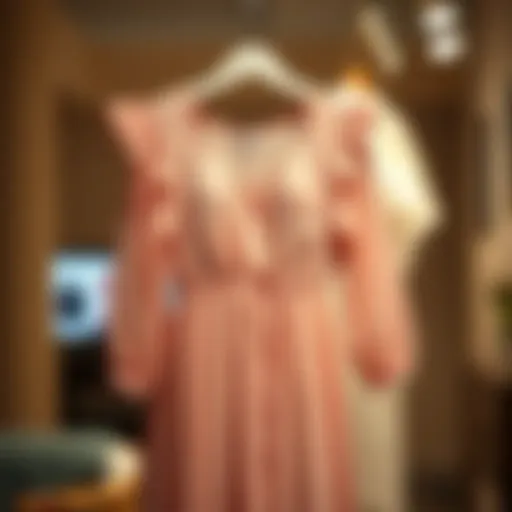
Over the years, the milkmaid dress evolved from its rustic beginnings to incorporate various styles and fabrics. The transition illustrates how fashion can adapt while still paying homage to its roots. The modern milkmaid dress often features elements like puffed sleeves and ruffled hems, which differentiate it from its ancestors. Embracing these adaptations allows contemporary wearers to maintain a classic appeal while exploring new aesthetics. However, some critics argue that certain designs have strayed too far from tradition, compromising authenticity for trendiness.
Contemporary Resurgence
Influence of Designers
In recent years, designers have rekindled interest in the milkmaid dress. High-profile names like Reformation and Zimmermann have breathed new life into the style, sparking popularity across various retail platforms. Their innovative twists, such as sustainable fabric choices and intricate detailing, keep the garment relevant in today’s fast-paced fashion environment. This influence signals a shift towards eco-conscious choices in fashion, appealing to modern consumers’ desire to look good while being socially responsible. However, such prominent influences can dominate the market, often overshadowing emerging designers who also wish to explore this vintage style.
Social Media Trends
The rise of social media has played a significant role in the resurgence of milkmaid dresses. Platforms like Instagram and Pinterest showcase outfits that combine contemporary fashion with traditional elements, giving the milkmaid dress a new audience. Hashtags such as #milkmaidstyle have helped create a community around this aesthetic, often featuring diverse interpretations that broaden its appeal. Yet, the speed at which trends come and go can lead to oversaturation, making it difficult for genuine style enthusiasts to navigate the clutter.
Celebrity Endorsements
Celebrity endorsements have also propelled the milkmaid dress into the limelight. When A-listers don these dresses at events or on social media, they become instant icons of style. This high visibility can significantly influence consumer preferences, making the milkmaid dress a must-have in many wardrobes. Meanwhile, with celebrities endorsing various brands, distinguishing the quality and uniqueness of designs can become tricky for consumers, who might feel torn between opting for a beloved brand or exploring new offerings.
"The milkmaid dress is a fusion of practicality and beauty, showcasing women’s strength throughout history."
In essence, understanding the milkmaid dress involves recognizing its historical significance, cultural symbolism, and the contemporary shifts that have modernized it. This garment embodies the continuity of style while reflecting broader societal changes, making it a richly layered subject relevant to today’s fashion enthusiasts.
Key Features of Milkmaid Summer Dresses
Milkmaid summer dresses have garnered attention not only for their elegance but also for their versatility and comfort. This section emphasizes the critical features that define these garments and highlights their significance in the contemporary fashion landscape. The unique elements of design, fit, fabric, and color choices contribute to the overall appeal of milkmaid dresses, making them a sought-after choice for many fashion enthusiasts.
Silhouette and Fit
Fitted Bodices
Fitted bodices are a standout feature of milkmaid dresses, providing a structured top that enhances the wearer's shape. They often boast a tailored feel that renders the dress both flattering and stylish. This design choice is popular for a reason—it lends a sense of refinement to the entire outfit. A well-fitted bodice can serve as a canvas that showcases intricate details, such as lace or embroidery, making each garment unique. However, it is essential to consider the wearer's comfort; a bodice that is too tight can hinder movement.
Breezy Skirts
The beauty of milkmaid dresses lies in their flowing skirts. These skirts add a lightweight, airy quality, allowing for ease of movement. Breezy skirts come in various lengths, often seen as knee-length or ankle-length, making them adaptable for different occasions. This feature is beneficial as it embodies a relaxed aesthetic, perfect for warm summer days. Furthermore, the materials used help enhance breathability, which adds to the overall comfort. But, on the flip side, they might not provide the same structured silhouette some might prefer.
Waistlines Variations
Various waistline styles can be found in milkmaid dresses, ranging from empire to high-waisted options. Each variation plays a crucial role in how the dress flatters different body shapes. For instance, an empire waistline draws attention to the upper body, while high-waisted designs can elongate the legs. This characteristic allows for personal expression and an adaptable fit. Those seeking femininity often gravitate towards these styles, although an unflattering fit can result if not styled correctly.
Fabric Choices
Natural Fibers
Natural fibers, such as cotton and linen, are often the materials of choice for milkmaid dresses, especially in warm weather. These fabrics not only feel soft against the skin but also offer breathability—an important factor in summer fashion. Their durability contributes to the longevity of the garment, making them a sound investment. However, one must keep in mind that natural fibers can require more care, like hand washing, which some might find burdensome.


Synthetic Options
Synthetic fabrics like polyester have found their place in modern milkmaid dresses. Known for their easy maintenance, synthetic options are often wrinkle-resistant and can hold color well, making them a vibrant choice. They also have a tendency to fit snugly, which can be appealing to those who favor structured silhouettes. That said, they may not provide the same breathability as natural fibers, potentially leading to discomfort during the hotter months.
Trendy Patterns and Textures
Dresses showcasing trendy patterns and textures can elevate the ordinary into the extraordinary. From polka dots to tartan, this aspect allows fashion lovers to express their individuality. Furthermore, textures like broderie anglaise or sheer overlays can add depth and interest. This feature is advantageous because it can transform a simple outline into a statement piece. Yet, one must consider that overcomplicated prints might overshadow the elegance of the dress if not matched appropriately.
Color and Print Selection
Seasonal Colors
Seasonal colors play a significant role in defining the overall attitude of milkmaid dresses. Soft pastels and vibrant blooms are popular during summer, reflecting the sun and floral environments. Such choices allow wearers to blend in with their natural surroundings while still standing out. They can evoke various moods—bright shades can energize, while softer hues can be calming. Nevertheless, staying on-trend can sometimes lead to a rapid cycle of choices, making past favorites less appealing over time.
Florals vs. Solids
The age-old debate of florals versus solids in milkmaid dresses offers two distinct styles—each with its own appeal. Floral patterns can communicate femininity and vibrancy, making them perfect for summer outings. They can be playful yet sophisticated, depending on scale and color balance. On the other hand, solid colors offer versatility, suitable for layering and mix-and-match opportunities. Choosing between these two ultimately comes down to personal style and occasion, but it is also important to note how one will wear the outfit beyond the initial charm.
Mixing Patterns
Mixing patterns, if done expertly, can elevate the milkmaid dress into a bold fashion statement. While it can introduce creativity into one's wardrobe, it requires a keen eye for color coordination and scale mismatch. A well-mixed outfit can demonstrate confidence and an understanding of fashion. However, a pattern clash gone wrong can sometimes yield an overwhelming visual—balancing multiple patterns is essential for achieving a cohesive look.
"The milkmaid dress is not just a garment; it’s an expression of character, capable of narrating stories through fabric and design."
Through these key features, milkmaid summer dresses reveal their versatility and relevance in today's fashion. Whether worn for casual or formal occasions, the design elements discussed above play a crucial role in offering comfort and style.
Styling Milkmaid Dresses
Styling milkmaid dresses holds great significance in a fashion landscape where versatility is increasingly valued. These garments are not just a nostalgic nod to bygone eras but are also adaptable pieces that fit various occasions, from casual outings to elegant evenings. Understanding how to style them can elevate the overall aesthetic and maximize their appeal. It’s all about making the dress work for you, matching it to your personality, while considering practical elements like comfort and appropriateness for specific events. With that, let's dive into how this can be achieved.
Casual Daytime Looks
Accessorizing for Comfort
Accessorizing a milkmaid dress for a casual daytime look can breathe new life into the outfit. Think about light, breathability, and an approach that doesn't weigh down the ensemble. The primary aspect of accessorizing for comfort is selecting pieces that are easy to wear yet still elevate the dress’s aesthetics. For instance, opting for lightweight jewelry made of natural materials can keep the look relaxed while adding a touch of elegance.
A key characteristic of such accessories often lies in their simplicity. Minimalist earrings or a delicate necklace can finish off a milkmaid dress without overdoing it, allowing the dress's silhouette to shine. The uniqueness of accessorizing for comfort is also seen in the balance it strikes—providing style without sacrificing the ease of movement, ideal for a warm summer day. However, it's essential to avoid overly complicated accessories that could become cumbersome.
Shoe Choices
The right pair of shoes can completely transform the look of a milkmaid dress. When it comes to casual styling, comfort should remain a priority, while still considering the overall appearance. A popular choice might be stylish sneakers or strappy sandals, keeping practical elegance in mind.
These options highlight the dress's charm while maintaining a laid-back vibe, which suits leisurely outings or picnics. Footwear with a unique feature like breathable materials or cushioned soles can also provide an advantage in keeping your feet happy throughout the day. However, it's important to steer clear of overly formal shoe styles that could clash with the dress's relaxed tone.
Layering Techniques
Layering techniques play a critical role in styling milkmaid dresses, especially during transitional weather. A denim jacket or light cardigan can be thrown over a dress, adding texture and comfort while enabling versatility. It's a beneficial choice, especially in cooler climates, as it permits effortless adaptation to fluctuating temperatures.
What’s more, layering should be approached thoughtfully; the unique feature of combining different textures can enrich the visual interest of the outfit. Still, one must keep an eye on proportion—the dress should continue to be the focal point. Not to mention, careful layering avoids overwhelming the figure, ensuring that the look remains stylish yet breathable.
Transitioning to Evening Wear
Statement Jewelry
Moving from day to night with a milkmaid dress can be elegantly executed through the introduction of statement jewelry. This aspect contributes significantly to transforming a simple daytime outfit into a sophisticated evening look. For example, bold necklaces or oversized earrings can serve as striking focal points, drawing attention upward and adding an air of sophistication. There's a certain allure to statement pieces; they can offer your outfit a more polished finish without losing the inherent charm of the dress.
The unique feature of such jewelry often lies in its ability to provide dramatic contrast; where the softness of the milkmaid dress meets sharp angles or vibrant colors of the accessories. However, one should still consider not to overpower the look; balance is key in ensuring that the overall visual remains harmonious.
Footwear Transformations
Footwear transformations are pivotal when stepping into evening territory. As daylight wanes, the choice of shoes can elevate the dress's elegance. High heels or ankle boots can create a more flattering silhouette and add height, changing the feel of the outfit entirely.
The key characteristic here is the shift from casual to formal, allowing one to express personal flair while still embracing the comfort of a milkmaid dress. Transformational footwear often brings unique features—think embellishments or striking materials that can turn heads. Nonetheless, striking a balance between elegance and comfort remains essential to avoid fatigue during long events.
Makeup Considerations
Lastly, makeup considerations play a noteworthy role in transitioning a milkmaid dress from day to evening. Subtle eye makeup paired with a bold lip can create an alluring look without overwhelming your natural features.


A key characteristic of evening makeup is its versatility; it can easily shift how you are perceived without changing the attire itself. The unique feature here is the way makeup complements the outfit—creating a cohesive aesthetic that resonates with elegance. However, it’s also crucial to ensure that the makeup is manageable; the last thing anyone wants is to feel uncomfortable with heavy products on their skin.
Cultural Significance of Milkmaid Dresses
The cultural significance of milkmaid dresses stretches far beyond mere aesthetics. These dresses often reflect deeper connections to history, tradition, and the evolution of societal norms, making them an important topic in the world of fashion. Understanding milkmaid dresses is not just about exploring their designs but also recognizing the stories and values they embody.
Cultural Inspirations
Regional Variations
Regional variations in milkmaid dresses illustrate how local customs influence fashion. For instance, in parts of Eastern Europe, dresses might incorporate intricate embroidery that tells a familial story, while in Western traditions, simpler patterns might dominate. These regional characteristics lend themselves to showcasing the uniqueness of each culture. Choosing to wear a milkmaid dress that reflects one's heritage can be beneficial, fostering pride and connection to roots. Notably, in countries like Germany, the use of pastel colors coupled with floral designs is prevalent, representing tranquility and a connection to nature.
Conversely, other regions may favor bold colors and patterns, sending a vibrant message of celebration and identity. With such diversity, the regional variations add depth to the history of these dresses, enhancing their narrative in modern fashion contexts while inviting personal interpretation.
Symbolic Meaning
The symbolic meaning of milkmaid dresses often ties back to femininity, simplicity, and the romanticism of rural life. Traditionally, these dresses have celebrated the beauty of everyday work, especially in agriculture. By choosing milkmaid attire, wearers can tap into a sense of nostalgia that resonates with simplicity and sincerity. The key characteristic of this symbolism is the strong connection to one’s environment. This strong grounding in nature makes the milkmaid dress a popular choice for those who value authenticity in their wardrobe.
However, this symbolism can also be limiting. While celebrating femininity, it sometimes reinforces traditional roles often associated with women’s responsibilities. The fine balance between embracing these aspects and advocating for modern interpretations is something fashion enthusiasts navigate today.
Connection to Rural Life
Milkmaid dresses serve as a direct link to the rugged lifestyle of rural communities. The practicality of the designs speaks volumes about women’s contributions in agricultural settings throughout history. These dresses signify hard work, resilience, and a down-to-earth aesthetic. The key to this connection is rooted in the materials and functionality of the garments. Often made from breathable fabrics, they were tailored to suit everyday tasks while honoring the wearer’s femininity.
This practicality is still appreciated today. Many individuals find the versatility of milkmaid dresses appealing, as they can transition from fields to social gatherings easily. Although the romanticized view of rural life might not be representative of everyone’s experience, the authentic connection it presents forms a significant aspect of the garment's identity.
Modern Feminism and Milkmaid Aesthetic
Body Positivity
The body positivity movement embraces all shapes and sizes, and milkmaid dresses fit neatly into this narrative. Their often loose-fitting styles accommodate various body types, promoting acceptance and a celebration of natural beauty. The beauty of these dresses lies in their ability to be both flattering and comfortable, making them a popular choice among individuals who want to feel good in their skin. Moreover, their diverse styles reflect the notion that fashion should be accessible to everyone.
While this approach is empowering, the challenge lies in marketing. Reshaping the narrative around beauty standards requires pushing back against the stereotype that only certain body types can wear particular styles. Embracing the milkmaid aesthetic can spark conversations about diversity in fashion.
Architectural Feminism
Architectural feminism looks at how designs communicate messages of female strength and empowerment. The milkmaid dress can be analyzed through this lens as it often portrays a union of beauty and practicality, reflecting the dual roles many women play today. The key characteristic of architectural feminism is its challenge against conventional views of femininity. The structure of milkmaid dresses, with fitted bodices and flowing skirts, can symbolize freedom and independence in contrast to more restrictive fashion norms.
Embracing this aesthetic in fashion can lead to a broader conversation about the roles women occupy in society, making it a relevant topic in both feminist discussions and style choices.
Challenging Traditional Norms
Challenging traditional norms means redefining what is deemed acceptable in fashion and society. Milkmaid dresses, often viewed as symbols of pastoral simplicity, have evolved to represent a broader range of ideas, from sustainability to body positivity. The benefit of incorporating milkmaid elements is that it allows individuals to reinterpreted history while also honoring its influence.
Today, many designers blend modern aesthetics with the traditional elements found in milkmaid dresses. The unique feature of this blending is that it invites wearers to challenge societal norms while connecting with the past. In a world that's increasingly defined by rigid expectations, embracing the versatility of the milkmaid dress can act as a powerful statement against conformity, representing individualism and personal expression.
Sustainability in Design Practices
In today’s fashion world, sustainability stands tall as a buzzword that isn’t just for the eco-conscious consumer – it's also a statement of intent by designers and brands. When it comes to milkmaid summer dresses, integrating sustainable practices is as essential as the dresses themselves. Consumers increasingly seek garments that don’t just look good but do good. By adopting eco-friendly materials and ethical manufacturing processes, the fashion industry takes steps toward reducing its carbon footprint and fostering a more responsible approach to style.
Eco-Friendly Materials
Organic Cotton
Organic cotton is a key player in the sustainability game. Grown without synthetic pesticides or fertilizers, it offers a cleaner alternative to conventional cotton. The benefits of organic cotton are manifold: it’s gentler on the skin, making it a cozy choice for warm summer days. Moreover, its cultivation requires far less water and contributes to healthier soils, which is a pivotal factor in the push for sustainability in fashion.
"Choosing organic materials is not just a trend; it's a responsibility we owe to our planet and next generations."
However, organic cotton can be pricier to produce. Despite this, the lasting quality and minimal environmental impact justify the cost for many consumers. It’s an investment in both style and sustainability.
Bamboo Fabrics
Bamboo is another rising star in the realm of eco-friendly fabrics. As a rapidly growing plant that doesn’t need chemical fertilizers, bamboo contributes to a lower ecological footprint. This fabric is soft, breathable, and naturally antibacterial, which makes it exceptionally comfortable for summer wear.
Yet, there are challenges: the process of turning raw bamboo into fabric can sometimes involve harsh chemicals. While some manufacturers are committed to more sustainable practices, it pays to read labels and do a bit of research before purchasing. Overall, bamboo fabrics present a blend of comfort and environmental consciousness.
Recycled Synthetics


Recycled synthetics, like those made from PET plastic bottles, have gained traction for their capacity to transform waste into wearable fashion. This innovative approach not only keeps plastics out of landfills but also reduces the reliance on virgin materials. The final product can be surprisingly similar to traditional synthetic options, offering durability and versatility without the added environmental toll.
However, a key point to consider is the end-of-life cycle of these garments. Although they are made from recycled materials, the disposal of synthetic fabrics remains a concern. While more brands are focusing on recycling initiatives, the conversation surrounding the lifecycle of synthetic fabrics is one that continues to evolve.
Ethical Manufacturing Processes
Local Artisans
Turning to local artisans brings a sense of authenticity and community involvement into the mix. Supporting these craftspeople helps ensure livelihoods while preserving traditional skills that might otherwise fade away. When milkmaid dresses are crafted by local hands, you can feel the dedication imbued in each stitch.
Moreover, local production often uses fewer resources in transportation, making it a favorable option for minimizing environmental impact. However, there can be challenges in scalability and price, as artisan-made products often come at a premium. Yet, for many, the beauty and uniqueness of locally crafted clothing justify the cost.
Fair Trade Practices
Fair trade practices represent a commitment to equitable trade, elevating the livelihoods of workers in developing countries. Brands that adhere to fair trade principles ensure that artisans and workers receive fair wages and work in safe conditions. This ethical approach aligns perfectly with the values of sustainability.
However, the fair trade label can sometimes be a little vague, and consumers should remain vigilant to avoid greenwashing. It’s always wise to investigate a company's credentials beyond just the label.
Transparency in Sourcing
Transparency in sourcing is about opening the doors and letting consumers peek behind the curtain. When brands disclose where they source their materials and how they manufacture their products, they build trust with consumers. This level of transparency encourages ethically and sustainably sourced materials.
Yet, it’s essential to recognize that transparency alone does not ensure sustainability. Consumers must critically evaluate the practices behind the statements. Still, when done right, transparency fosters a culture of accountability in the fashion industry, nudging companies towards more responsible practices.
In summary, the focus on sustainable practices within the realm of milkmaid summer dresses nurtures a more responsible approach to fashion. By choosing eco-friendly materials and ethical manufacturing processes, consumers are making a statement with their wardrobes and contributing to the greater good.
Care and Maintenance of Milkmaid Dresses
Caring for and maintaining milkmaid summer dresses is vital for preserving their charm and integrity over time. These elegant garments often come in delicate fabrics and intricate designs, which can easily lose their appeal if not properly handled. Understanding the nuances of washing, fabric care, and storage will significantly extend the lifespan and keep the dresses looking fresh.
Washing Recommendations
Machine vs. Hand Washing
Sewing together a dress is easy, but washing it? Now that’s where the rubber meets the road. While machine washing is simple and convenient, it can be a double-edged sword for milkmaid dresses. The specific materials used, like cotton or linen, might stand up to the whirl of a washing machine, but there's the risk of distortion and fading. On the other hand, hand washing allows for gentler handling, preserving the garment’s shape and vibrant colors. This method requires more time and tenderness, making it a good fit for those who really want to keep their dresses looking as good as new.
Fabric Specifics
The choice of fabric plays a crucial role in how you maintain your milkmaid dress. Most are crafted from natural fibers such as cotton or linen, valued for breathability and comfort. Cotton is generally durable, but it can shrink if hot water is used. Linen is a beast in its own right — it can look more charming with wrinkles but is more prone to tearing if not treated properly. The point is, understanding your fabric is key. Check labels for care instructions, and always test in a small area if you’re unsure.
Detergent Choices
Soaps and detergents can be tricky; not all of them play nice with delicate fabrics. For milkmaid dresses, a mild, eco-friendly detergent suits best. This type usually has fewer harsh chemicals that could damage the material, keeping the colors vibrant. You might want to avoid fabric softeners, too, as they can leave a residue that affects the breathability of your dress. You ain't just tossing laundry in; you're caring for a statement piece.
Storage Tips
Seasonal Storage
When summer passes, it’s wise to store your milkmaid dresses correctly, choosing a suitable spot that’s cool and dry. Hanging them can cause unwanted stretch, so folding with care is often preferred. During storage, consider wrapping them in acid-free tissue to help maintain their shape and prevent creases. This helps maximize longevity, ensuring you can pull out a crisp, beautiful dress when summer rolls around again.
Protecting Fabrics from Wear
Ever had that gut-wrenching moment when you pulled out a favorite dress and noticed fabric damage? Protecting your milkmaid dresses from wear is essential. Store them away from direct sunlight to avoid fading, and if possible, use garment bags for added protection against dust and pests. It may seem a fuss, but it’s worth the peace of mind that comes from knowing your attire is safe.
Maintaining Shape
The last thing you want is for your beautiful milkmaid dress to lose its shape. To maintain its design, avoid stuffing it tightly into a drawer. Ensure it’s laid flat or hung properly without too much weight hanging off the shoulders. This will help prevent unsightly creases and keep the bodice fitting snugly and the skirt flowing, just like the first day you wore it.
Proper care and maintenance not only keep your milkmaid dresses looking fabulous but also ensure they become cherished pieces in your wardrobe for years to come.
In summary, proper washing, careful storage, and protective measures can ensure that your milkmaid dress is not just a one-season wonder, but a lasting part of your fashion repertoire.
End: The Enduring Appeal of Milkmaid Summer Dresses
Milkmaid summer dresses have come a long way since their inception, weaving their way through the fabric of fashion history. Understanding their lasting appeal requires looking beyond mere aesthetics; it’s about connecting with both a rich heritage and contemporary cultural narratives. These dresses evoke a sense of nostalgia—reminding wearers of pastoral landscapes and simpler times, while also embracing modern design elements that speak to today’s diverse wardrobes.
One key aspect to consider is the versatility offered by milkmaid dresses. They can easily transition from a casual day at the park to an elegant evening gathering with just a few tweaks. This adaptability caters not only to different occasions but also to a wide range of body types and personal styles. A fitted bodice and flowing skirt can flatter many figures, celebrating rather than masking unique shapes and sizes. For instance, wearing one with chunky sandals can present a laid-back vibe, whereas pairing it with heeled mules can elevate the outfit for a sophisticated look.
"Fashion is about more than just looking good; it's a way to express who we are and where we come from."
The current trend toward sustainability adds another layer to the allure of milkmaid dresses. As consumers increasingly opt for eco-friendly fashion, manufacturers have responded by sourcing organic materials and implementing ethical production practices. The shift towards environmentally conscious choices resonates deeply with socially responsible buyers. This not only enriches the narrative of the milkmaid dress but also reinforces a sense of community and collective responsibility in the fashion industry.
Another significant factor in their enduring popularity is the cultural significance attached to milkmaid dresses. They symbolize agricultural roots and the connection to the land. For many, wearing a milkmaid dress can be more than just a style choice; it can serve as a statement against the rapid urbanization and loss of traditional values. Today, as society grapples with questions of identity and belonging, these dresses are a gentle reminder of our connection to our cultural pasts and the importance of preserving it.