The Importance of Hair Bonnets for Braided Hairstyles

Intro
The world of hair care is an ever-evolving landscape, particularly for those who embrace the beauty of braided hairstyles. One essential yet often overlooked tool in this journey is the hair bonnet. This guide aims to shine a light on the importance of wearing hair bonnets for maintaining, protecting, and enhancing the quality of braided hair. Not all hair bonnets are created equal; the materials, styles, and even personal preferences play a crucial role in their effectiveness. By understanding the nuances of these accessories, individuals can not only prolong the lifespan of their braids but also ensure that their hair remains healthy and vibrant throughout.
Wearing a hair bonnet is more than just a fashionable choice; it is a practical solution for those striving for optimal hair health. This article will delve into various materials used in hair bonnets, practical styling tips, and the overall impact these simple garments can have on braided hair maintenance. As we explore this topic, we will uncover insights that cater to fashion enthusiasts, designers, and retailers alike.
With a clearer understanding of hair bonnets, individuals can elevate their braid game. Therefore, let’s embark on this journey of exploration into the multifaceted role of hair bonnets in achieving robust, beautiful braids.
Prelude to Hair Bonnets
When it comes to maintaining healthy braided hairstyles, the often underappreciated hair bonnet plays a vital role. Hair bonnets are more than just a fabric accessory; they are a fundamental part of a robust hair care routine for individuals with braids. Protecting one’s hair from environmental stressors, friction during sleep, and moisture loss is essential in ensuring that braids remain neat, vibrant, and free from breakage. Thus, understanding the nuances of hair bonnets can lead to improved braid care and an overall enhancement of hair health.
Defining Hair Bonnets
Hair bonnets are usually made of soft fabric, designed specifically to cover and protect hair. They come in various shapes, sizes, and materials, making them suitable for a wide range of hair types and styles. Basically, they’re little protective caps worn mostly during sleep or while lounging at home. While many may associate bonnets primarily with Black hair care, they have become a prominent choice for anyone managing textured or braided hair, thanks to their effectiveness.
Their unique construction – often lining silk or satin on the inside – helps to reduce moisture absorption, keeping the hair’s natural oils intact. In plain terms, a good bonnet can work wonders for the longevity of braids, promoting a shiny and healthy appearance.
Historical Context of Hair Bonnets
The history of hair bonnets is as rich as the cultures that embraced them. Originating centuries ago, hair coverings served practical purposes while simultaneously being a reflection of cultural identity and pride. For instance, in many African communities, hair bonnets symbolize self-care and respect for one’s hair. Traditionally worn by women, bonnets were a means to preserve elaborate hairstyles and protect against harsh environmental factors.
In the 19th century, bonnets started to gain traction within various African American communities, not just as a protective style but as a bold form of personal expression. Those bonnets often displayed vibrant colors and intricate patterns, showcasing the unique identities of their wearers. Even in modern fashion, the evolution of hair bonnets highlights the enduring relevance of cultural heritage: they serve as both a beauty accessory and a statement piece.
"Hair bonnets encapsulate a multitude of stories and heritage, merging function with personal expression."
As such, there exists a significant cultural context behind the use of bonnets today. While the purpose is fundamentally protective, the visual and symbolic aspects cannot be overlooked. Therefore, it’s crucial to appreciate hair bonnets not only as tools for care but as significant cultural artifacts enhancing contemporary discussions about identity and self-expression in hair care.
Understanding Braids
Understanding braids is crucial in the context of hair care and specifically when it comes to maintaining healthy braided hairstyles. Braids are more than just a fashion statement; they reflect cultural heritage, personal style, and individual expression. They can range from intricate patterns to simple plaits, each requiring different techniques and care strategies. A well-cared-for braid not only enhances appearance but also contributes to the longevity of the hairstyle.
The art of braiding has been practiced for centuries across cultures, encompassing various techniques and styles. In many communities, braids are not just hairstyles but represent social status, traditions, and identity. They can serve functional purposes, such as keeping hair neat and tidy, or aesthetic goals, showcasing creativity and artistry. This makes it essential for anyone who engages in this styling form to understand the key factors involved in braid care.
Benefits of Understanding Braids:
- Individual Expression: Knowing about different styles empowers individuals to express their unique identity.
- Long-lasting Styles: Understanding care requirements leads to longer-lasting hairstyles.
- Cultural Awareness: A deeper knowledge fosters respect for the cultural significance surrounding various braided styles.
It's not just about appearance; it’s about maintaining the health of both the hair and scalp while embracing the cultural narratives braided hairstyles often carry.
Types of Braided Hairstyles
When discussing braids, it's important to highlight the variety available. Different types of braided hairstyles serve various aesthetic and functional purposes. Here are some popular ones:
- Box Braids: Characterized by squared-off sections, these braids can be styled in various lengths and thicknesses. They are low maintenance and versatile.
- Cornrows: A style where the hair is braided very close to the scalp in straight lines. These require precise parting and can be adorned with beads or other accessories.
- French Braids: A classic style that involves gradually adding sections of hair from either side as the braid works down the head. It is often chosen for elegant occasions due to its neat appearance.
- Fishtail Braids: This is a more intricate style where two sections are alternately crossed over one another, creating a pattern resembling a fishtail.
- Dutch Braids: Similar to French braids, but the sections are crossed under instead of over, resulting in a 3D effect that stands up from the scalp.
Each type not only adds a distinctive flair but also comes with unique maintenance requirements, highlighting the importance of understanding the various types in ensuring proper care.
Caring for Braids
Caring for braids effectively is vital to promoting healthy hair growth and maintaining the appearance of the style. Proper care involves attention to both the scalp and the braided hair themselves. Here are essential tips to consider:
- Hydration: Keeping the scalp and braids moisturized prevents dryness and flaking. Natural oils or a light leave-in conditioner can be used to maintain moisture without weighing the hair down.
- Cleansing: While braids may not need frequent washing, it’s essential to cleanse the scalp regularly to remove buildup. A diluted shampoo applied to the scalp can help remove residue without disrupting the braid structure.
- Manipulation: Minimize manipulation of the braids to prevent frizz and breakage. The less you fuss with them, the longer they will last and look fresh.
- Protective Measures: Wearing a bonnet, especially at night, acts as a barrier against friction and breakage. It locks in moisture and keeps the style intact.
- Regular Maintenance: Depending on the style, you may need to refresh your braids every few weeks. This could involve re-braiding or simply tightening loose areas to ensure they stay sharp.
Understanding these elements of care ensures that braids not only look good but also support overall hair health. Opting for a proper hair bonnet becomes integral in this process, as it protects the hair from nighttime friction and environmental damages.
The Importance of Protection
Protecting your hair is more than just a passing trend; it's fundamental for maintaining the health and beauty of braided hairstyles. When it comes to braids, the structure is intricate, and each section of hair plays a vital role in the overall appearance and longevity of the style. Hair exposure to everyday elements, environmental stressors, and even friction can lead to frizz, breakage, and premature wear and tear. The right protective measures can safeguard your investment, ensuring that your braids not only look stunning but also remain healthy underneath.
Why Protecting Hair is Essential
You might wonder why it's necessary to go that extra mile for your hair care. Well, think about the number of obstacles your hair faces daily. From pollution in urban settings to the drying effects of air conditioning or heating systems, your hair can take a real beating. Moreover, the more complex the braid, the more susceptible it can be to strain and breakage.
- Protective Styles: Regularly styling your hair can create tension, leading to damage. Protective styles like braids aim to reduce this stress, but without proper care, they become vulnerable.
- Environmental Damage: UV rays and moisture, or lack thereof, can affect your hair's cuticle. Protecting your hair helps mitigate these factors, keeping it strong.
- Maintain Moisture: When hair lacks moisture, it can become brittle. A protective measure can help lock in moisture, preventing dryness and frizz even in braids.
It’s about creating a barrier, a consistent shield against the elements that threaten the integrity of your braids. With proper care and protection, you can maintain the style for weeks or even months longer than if you leave it to fend for itself.
Bonnets as a Protective Measure
Bonnets serve as one of the simplest yet most effective ways to protect your braids while you sleep. The benefits of a bonnet go far beyond mere convenience. These timeless accessories can help create a favorable environment for your hair while you rest, ensuring that you wake up not just looking good, but feeling good about your hair too.
- Reducing Friction: When tossing and turning at night, your hair can rub against your pillow, leading to tangles and frizz. Bonnets provide a smooth surface, reducing friction and maintaining the sleekness of your braids.
- Temperature Regulation: Not all materials create the same temperature for your hair. A well-made bonnet, typically from satin or silk, can help regulate moisture levels while keeping your head warm enough without overheating.
- Retaining Moisture: Unlike cotton, which absorbs moisture, silk and satin help keep your hair hydrated. This is especially important for braids as they often require additional moisture to remain soft and healthy.
Material Matters
When it comes to hair bonnets, the phrase "you get what you pay for" rings particularly true. Selecting the right material not only impacts the bonnets’ appearance but also its effectiveness in maintaining hair health. The significance of material transcends mere aesthetics; it plays a crucial role in how well the bonnet performs its protective duties for braided hairstyles.
Understanding the composition of hair bonnets can help users make informed decisions that align with their hair care goals. Materials that are gentle yet effective in nourishing and protecting hair are ideal. For those with braids, which often require extra attention to preserve their structure and minimize damage, the right fabric can make all the difference.
Common Fabrics Used in Hair Bonnets
Hair bonnets come in a plethora of fabrics, each with its unique properties. Here’s a closer look at some of the most common:
- Cotton: Widely used, cotton absorbs moisture but can be a double-edged sword. While it’s breathable, it can also suck the moisture away from the hair, leading to dryness.
- Polyester: This synthetic fabric offers durability and holds its shape well, but it may not be as breathable, potentially leading to sweat build-up.
- Silk: Renowned for its smooth texture, silk reduces friction and is less likely to cause hair breakage. The natural fibers help to retain moisture, making silk bonnets a preferred option for many.
- Satin: Similar to silk in terms of smoothness, satin comes at a lower cost and provides similar benefits. It allows hair to glide rather than drag, minimizing tangles and frizz.
Knowing these fabric characteristics helps in understanding how they can affect the health and appearance of braids.
Benefits of Silk and Satin Bonnets
Silk and satin bonnets are often touted as the gold standard in hair protection. For braided hairstyles, these materials provide numerous advantages:
- Reduced Friction: The slick surface of silk and satin minimizes the risk of breakage and split ends. Hair slides smoothly against the fabric rather than catching, which is vital during the nighttime toss and turn.
- Moisture Retention: Unlike cotton, which absorbs moisture, silk and satin help to lock in natural oils and hydration. This ensures that your braids stay moisturized and less prone to frizz.
- Temperature Regulation: Silk and satin can help to regulate heat, creating a temperate microclimate for your hair. They keep the scalp cool in warmer nights and warm on cooler ones.
- Style Preservation: These fabrics do an excellent job of preserving hairstyles. A bonnet made from silk or satin can ensure that braids stay intact without the dreaded morning frizz.
"The choice of material can greatly impact not just how your hair looks but also its overall health."
Choosing the Right Bonnet
Choosing the right bonnet plays a crucial role when it comes to caring for braided hairstyles. Not all bonnets are created equal, and the right choice can make all the difference in maintaining the health and appearance of your braids. Selecting a bonnet involves understanding various factors such as fabric type, fit, and design. By paying attention to these elements, you can ensure that your hair is not only protected but also looks its best when you step out.
Factors to Consider
When you are on the hunt for a new bonnet, there are a host of elements you should keep in mind. Here’s a deeper look into some key considerations:
- Material Quality: What the bonnet is made of can significantly affect your hair. Fabrics like silk and satin are often recommended because they reduce friction, keeping your braids smooth and shiny.
- Size and Fit: The right fit is essential. A bonnet that’s too tight might cause breakage and discomfort, while one that’s too loose could slip off during the night. Measure your head for a snug yet comfortable fit.
- Breathability: Especially important for long-term wear, breathable materials help prevent moisture build-up, keeping your scalp healthy.
- Ease of Use: Look for bonnets with features such as adjustable ties or elastic bands. These can provide extra comfort and security without hassle.
- Skin Sensitivity: If you tend to have sensitive skin, opt for hypoallergenic materials to avoid irritation.
In summary, choosing a bonnet that ticks these boxes not only enhances your braid care routine but also adds to your overall comfort.
Styles and Designs
The style and design of your hair bonnet can be just as important as its functional aspects. Bonnets today come in a plethora of designs, catering to various tastes and preferences:
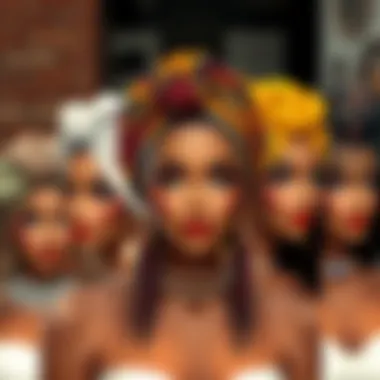
- Classic: Simple and effective, classic wrapped bonnets are often the go-to option for many. They blend practicality with a timeless look.
- Printed and Vibrant Styles: There is a big market for bonnets that feature unique prints or colors. Whether it’s floral patterns or bold geometrics, these can make a style statement while serving their purpose.
- Reversible Designs: For those wanting versatility, reversible bonnets work wonders, offering two looks in one.
- Custom and Personalized Options: Increasingly, brands offer customization, enabling you to add your name or favorite quotes. This personal touch can enhance your feeling of ownership.
"The right bonnet does more than just protect your hair; it makes a statement about your style."
Getting a bonnet that not only fits well but also reflects your personal style can elevate your hair care routine. Remember, wearing a bonnet shouldn’t feel like a chore. With the right choice, it can be a part of fashion as much as function.
Maintenance of Hair Bonnets
The maintenance of hair bonnets is crucial for anyone serious about keeping their braided styles in top shape. Many people may toss their bonnets in a drawer after use without considering how this negligence affects both the bonnet and their hair. A clean and well-kept bonnet not only contributes to the longevity of the accessory itself but also plays a significant role in maintaining the health of your hair.
Taking a few moments to care for your bonnet can prevent unnecessary fraying, staining, and odors. Additionally, it ensures that the texture and shape remain intact, providing the best possible protection for your hair. Thus, understanding how to maintain these clever accessories becomes paramount for those looking to stride confidently through their days while flaunting stunning braids.
Cleaning and Care
When it comes to cleaning your hair bonnet, simple steps can work wonders. Most bonnets can be hand-washed using mild detergent, which is gentle enough to avoid damage but effective in removing dirt and oils. Here’s a straightforward cleaning guide:
- Hand Washing: Fill a basin with warm water and add a small amount of mild detergent. Swirl your bonnet gently in the water, avoiding rough scrubbing.
- Rinsing: After cleaning, rinse thoroughly under cool water to remove all soap residue. It’s crucial to ensure no detergent remains, as this could irritate your skin later.
- Drying: Lay the bonnet flat on a clean, dry towel to absorb excess moisture. Air drying is the best method; avoid the dryer as heat can warp the fabric.
Over time, hair bonnets can accumulate residue from hair products used to maintain braids. Regular cleaning helps mitigate build-up and keeps the fabric's essential properties intact.
When to Replace Your Bonnet
Knowing when to replace your bonnet is just as important as knowing how to care for it. Signs that your bonnet has seen better days include:
- Visible Wear and Tear: Look for frayed edges, holes, or loose seams. If it looks raggedy, it’s time to say goodbye.
- Staining: If your bonnet sports stubborn stains that won't budge after cleaning, it might be time for a new one.
- Loss of Elasticity: Bonnets often feature elastic bands to keep the garment securely in place. If this elasticity wears out, it may not fit snugly enough, compromising its protective function.
"A quality bonnet should last your braids through multiple wears and washes; however, neglecting maintenance can cut that lifespan short."
Just as you tend to your braids, attending to your bonnet ensures a smoother journey towards long-lasting, healthy hairstyles. Investing a little time in maintenance results in generously rewarding outcomes for both your hair and your style.
Styling Tips for Wearing Bonnets
In the realm of hair care, particularly for braided hairstyles, the way one styles their hair under a bonnet can significantly impact the condition and appearance of those braids. Understanding the importance of this aspect can revolutionize your hair care routine. It’s not solely about the protection a bonnet offers; it’s also about how to maximize that protection while maintaining an occasion-appropriate look. This section aims to unfold the best practices for styling under a bonnet and to complement your overall appearance while you do so.
How to Style Under a Bonnet
Getting the hang of styling your hair under a bonnet is a bit like whipping up a perfect soufflé; it requires attention to details and a little finesse. First, it's crucial to pull your braids back to avoid unnecessary friction or stress on your hair. Depending on the type and size of your bonnet, you might opt for a high ponytail, braiding your hair into one or two plaits that fit neatly. If you’re sporting long box braids, twisting them into a loose bun can work wonders for both protection and comfort.
Here are some tips for effective styling:
- Keep it Loose: A tight style can cause breakage; your bonnets should protect your hair, not contribute to its woes.
- Use Hair Accessories Wisely: Hair ties or scrunchies can help minimize pulling, but opt for soft materials to keep it gentle on your strands.
- Braid or Twist Before Bonnets: If your hair is still fresh, consider additional braids or twists; they can keep the style neat under the bonnet.
By keeping the styles simple and strategic, you can avoid frustrations while also maintaining the integrity of your braids.
Complementing Your Look
While bonnets are primarily functional, they don't have to be bland or simply utilitarian. Think of them as an accessory that commands a subtle presence in your overall ensemble. Finding a bonnet that complements your outfit can elevate both your style and your confidence. Opt for colors that harmonize with your clothing palette or patterns that add a personal touch.
Consider these pointers when selecting bonnets:
- Match the Color: A bold red bonnet can amp up a casual jeans and t-shirt outfit, while a soft pastel can add charm to a flowy summer dress.
- Experiment with Textures: If you're wearing something smooth and chic, a satin bonnet can bring a nice contrast without being too loud.
- Accessorize Thoughtfully: Pair your bonnet with statement earrings or a chic scarf for an effortlessly put-together look.
Overall, the right styling can bridge function and fashion seamlessly. It allows your bonnets to do their job while ensuring that you step out looking your best. By making informed choices about how to style your hair and select your headwear, you are not just taking care of your braids but also expressing your unique style.
"In hair care, functionality and style go hand in hand; one without the other can lead to a compromised overall appearance."


As you adopt these styling tips, remember that looking after your braids and showcasing your personal style are both achievable. With a little thought and creativity, your bonnets can be a stylish asset rather than just a protective measure.
Cultural Significance of Hair Bonnets
The role of hair bonnets transcends mere function; they are laden with cultural importance. Historically, they have served as a practical means of protecting hairstyles, notably among communities with textured hair. However, their significance extends beyond superficial benefits. Bonnets symbolize resilience, heritage, and a unique form of identity.
Bonnets in Different Cultures
In various cultures, hair bonnets have been more than just practical accessories. For instance, in African American communities, bonnets are deeply embedded in the fabric of hair care traditions. Here, they serve not only to guard against friction and moisture loss but also to preserve intricate hairstyles like braids and twists. In many cases, the choice of bonnet fabric, color, or design reflects personal style and cultural heritage. It's fascinating how some styles can express something as intricate as personal history.
Other cultures, too, have their versions of head coverings that function similarly to bonnets. For example, the tichel worn by Jewish women or the dupatta in South Asian cultures can be thought of as bonnets in their own right, where they not only protect but also convey cultural meanings and familial ties.
These shared practices reveal an undeniable connection across continents, suggesting that while styles and materials may differ, the underlying reasons for their use resonate universally. Even today, many individuals adorned in bonnets take time to share stories about their heritage, which imbues these items with even greater meaning.
Modern Interpretations
Fast forward to today, hair bonnets have not merely maintained their traditional roles; they have evolved into a fashion statement. Various designers have embraced them, adapting styles to fit contemporary aesthetics while remaining functional. You can stroll through a boutique and find bonnets in vibrant colors, eye-catching prints, and luxurious materials, appealing to a fashion-forward audience.
Moreover, the modern interpretation of bonnets has led to conversations around acceptance and self-love. Wearing a bonnet in public spaces or on social media challenges conventional beauty norms, empowering individuals to embrace their natural texture and style without hesitation. This emerging dialogue emphasizes reclaiming identity and celebrating hair care as a rich cultural practice rather than a chore.
As more influencers and celebrities showcase bonnets, they champion the message that they are chic and necessary. The juxtaposition of practical hair care and modern fashion illustrates that hair bonnets continue to be vibrant symbols of cultural identity and personal expression, intricately woven into the tapestry of contemporary life.
“Wearing a bonnet is not just about protecting hair; it's about honoring a legacy.”
Expert Opinions on Braided Hair Care
The realm of hair care, particularly when it calculates to braids, is one that benefits profoundly from professional insight. Engaging with experts in the field can provide a treasure trove of recommendations that may enhance the longevity and aesthetic of braided hairstyles. For the avid braid enthusiast, understanding what hairstylists and researchers say about care methods can become the cornerstone of a well-informed beauty routine.
Bonnets come into play as a common piece of advice from experts when maintaining braided hair. They provide an added layer of protection against the destructive elements of friction and environmental stressors. The occlusive nature of a bonnet allows the braids to stay moisturized without being overly exposed to air or dirt, which can lead to dryness and frizz. Furthermore, many stylists advocate for those with braided hairstyles to incorporate a specialized oil or moisturizer before securing the bonnet. This small ritual can turn a basic hair care routine into an effective strategy for longevity in braids.
Insights from Hairstylists
The collective wisdom of hairstylists is indispensable. They've spent countless hours working with various hair types, cutting their teeth on recommendations that often transform everyday routines into masterpieces of care and health. For example, Elaine at Salon Luxe in Brooklyn often emphasizes the necessity of adjusting your bonnet choice based on your hair’s needs. She suggests lightweight, breathable materials for those with finer braids to prevent potential breakage due to weight. In contrast, for those with thicker, more textured hair, a slightly heavier fabric can ensure that moisture is locked in.
Many hairstylists likewise advise against tight bonnets, stating, "Just like one-size-fits-all doesn’t work in life, it won't do your hair any favors either." This highlights the importance of proper fit—ensuring the bonnet is snug but not too tight—means reducing stress on your strands and promoting healthier growth patterns. Additionally, some experts recommend wearing bonnets not just at night but also during the day, particularly in harsh weather conditions. Protecting braids from UV rays, wind, and dust can keep them looking fresh well beyond the initial styling.
Research Findings on Hair Health
Academic studies have shown that braids, while beautiful and versatile, can present unique challenges to hair health if not well maintained. A study appearing in the Journal of Dermatology emphasizes that proper protective styling is crucial in preventing traction alopecia, a condition where constant tension leads to hair loss. The researchers assert that using protective measures like bonnets can mitigate these risks significantly.
Research also indicates that moist environments fostered by bonnets can support hair’s natural elasticity. In a comprehensive analysis from the Hair Research Institute, findings illustrated that braided hair left exposed tends to dry out quicker compared to those covered with satin bonnets overnight. The review concluded that consistent use of bonnets not only locks in moisture but can also prolong the vibrancy of hair dyes used in braided styles.
In summation, advice from hairstylists married with scientific findings establishes a sturdy foundation for optimal braid care. Hair bonnets are not merely accessories but tools that can impact the health and allure of your braids significantly. Through thoughtful usage and informed choices, individuals can strive toward achieving luscious, lasting braided styles.
The End: The Future of Hair Bonnets
The conversation surrounding hair bonnets is evolving, particularly as more individuals embrace braided hairstyles. As we navigate the complexities of hair care, the significance of these accessories becomes increasingly clear. In this conclusion, we'll explore some of the vital elements that determine the future of hair bonnets, along with their benefits and considerations.
Innovations in Bonnets
Innovation drives change, and the realm of hair bonnets is no exception. Several companies and independent designers are pushing the envelope, creating bonnets that merge functionality with fashion. Here are some noteworthy advancements:
- Material Development: Beyond traditional silk and satin, there’s experimentation with breathable fabrics that regulate temperature and minimize moisture buildup. These materials enhance comfort, especially during warmer months.
- Adjustable Designs: Innovative features, such as adjustable straps, make bonnets more accommodating for various head sizes. This development caters to a wider audience, making bonnets more user-friendly.
- Fashion-Forward Styles: Bonnets are no longer solely regarded as sleepwear. Designers are crafting bonnets that are chic and stylish enough to wear in public settings, allowing wearers to express their unique fashion sense while maintaining hair integrity.
“Fashion should not come at the expense of function. Hair bonnets can be both!”
Expanding Awareness and Use
Promoting the use and benefits of hair bonnets is essential for broader acceptance. Here are some strategies to encourage awareness:
- Social Media Campaigns: Social platforms like Instagram and TikTok can be powerful tools to share the importance of hair bonnets. Engaging influencers who celebrate braided hairstyles can amplify messages about care and protection.
- Tutorials and Workshops: Hosting events, either online or locally, can educate individuals about proper hair care practices and the advantages of using bonnets. Practical demonstrations can dispel misconceptions and encourage usage.
- Collaboration with Hair Care Brands: Partnerships between bonnet manufacturers and hair care product brands can lead to bundled products that promote comprehensive hair health.
In closing, the future of hair bonnets is bright, fueled by innovation and a growing awareness of their role in hair health. As interest increases and options expand, it’s clear that these accessories will remain a staple in the realm of braid care, promoting not only beauty but also the wellness of hair.