
Exploring Chains: A Guide to Earring Making
Intro
The world of earrings is vast, teeming with creative possibilities. At the heart of many designs lies the humble yet versatile chain. This guide peels back the layers, looking at how different types of chains can transform the earring-making experience. Whether it's the delicate feel of a fine chain or the bold impact of a chunky link, each choice comes with its own set of considerations.
Chains are not just functional; they can be works of art in their own right. They bridge the gap between style and substance, allowing artisans and enthusiasts alike to express their creativity and make a statement. With the right chain, even the simplest earring design can come alive, capturing the light and drawing the eye.
In this comprehensive guide, we will explore:
- Types of chains used in earring making
- Material selections and their implications for design
- Essential crafting techniques
- Tips for integrating chains into various earring styles
This exploration is relevant for fashion enthusiasts, designers, and retailers. It highlights how chains can elevate jewelry-making from a basic craft to a sophisticated art form, encouraging both newcomers and seasoned artisans to think outside the box.
Let’s dive in and discover the intricate dance of chains and earrings.
Understanding Chain in Jewelry Crafting
The role of chain in jewelry making, especially in earring crafting, is akin to the backbone in a well-structured body. It is the fundamental element that not only holds pieces together but also brings forth character and aesthetic appeal. By grasping the essence of chain, designers can elevate their creations from ordinary to extraordinary. This section will delve into the foundational aspects of chain, unraveling its significance in the world of earrings.
The Basics of Chain Structure
When we talk about chain, we often imagine a series of interconnected links that come together to form a continuous strand. However, the structure of chains in jewelry crafting is nuanced, involving various types and designs. At its simplest, each link can be circular, oval, or even more decorative shapes. These links can vary in size and style, which contributes to the overall look and feel of the earring.
For instance, a classic link chain made of small, uniform links might give off a sleek and sophisticated vibe, perfect for formal occasions. On the other hand, larger, more ornate links can create a bolder statement, catching the eye and adding flair to any outfit. Chains can also be designed with varying thicknesses, affecting their strength and flexibility; thinner chains may be more delicate but can beautifully showcase intricate pendants, while thicker ones should be well-suited for more substantial designs.
Importance of Chain in Earring Design
Chains are not merely functional in earring design; they serve as a canvas for creativity. The choice of chain type can dramatically alter the look and feel of an earring. For instance, a Figaro chain infuses a sense of rhythm and movement, making it ideal for dynamic designs, while a cable chain might offer a timeless classic that appeals to those with traditional tastes.
Furthermore, chains allow designers to play with asymmetry and layering in earring designs, creating visual interest and depth. An asymmetric design can engage the viewer's attention, bringing them in closer to appreciate the craftsmanship involved in each component. This approach is not just about aesthetics; it also reflects personal style and individuality.
"Chain is not only about connecting pieces; it's about connecting with the wearer’s identity."
Understanding the various properties of chains enables jewelry makers to tailor their designs towards specific audiences or occasions, be it everyday wear or special events. With a well-considered approach, incorporating chains can enhance the overall appeal of earrings, transforming them into standout pieces that express a unique narrative.
Types of Chains for Earring Creation
When talking about earrings, one component that often steals the show is the chain. Not only do chains add structural integrity, they also introduce a sense of rhythm and movement to the design. This section guides you through various types of chains utilized in earring creation, highlighting their unique characteristics, artistic potential, and practical considerations.
Link Chains
Link chains are a classic choice for earring design. Their versatility makes them suitable for a wide array of styles—from minimalist to ornate. Made up of connected metal rings, link chains can be crafted from various materials such as sterling silver, gold, or even resin. They can be combined with other elements like beads or gemstones to create stunning focal points.
One major benefit of link chains is their ease of customization. You can adjust the length by adding or removing links, which means they can be perfect for different earring styles and wearers. Importantly, whether for personal use or retail, link chains can adapt to almost any jewelry theme.
Figaro Chains
Figaro chains take a different approach. They alternate between elongated links and shorter ones, bringing an air of sophistication to earring designs. The unique pattern can serve a dual purpose: robbing the spotlight with their distinct look while perfectly accommodating hanging charms or pendants.
These chains are excellent for statement earrings, making it a favorite among designers who wish to add a touch of glamour without overwhelming the piece. If you’re looking to create earrings that flow elegantly from the ear, consider figaro chains as an ideal starting point. It strikes a balance between eye-catching and effortlessly chic.
Cable Chains
Cable chains have round or oval links that are uniform in shape and size, reminiscent of a strong chain link fence. This uniformity offers a classic and clean aesthetic that works well in many styles—think contemporary or even industrial. Perfect for both dangling and stud earrings, cable chains provide flexibility in design.
Crafting earrings with cable chains gives artists the chance to play with textures and layering. Adding beads or tiny charms can transform the look entirely without losing the inherent simplicity of the chain. This adaptable nature makes it an essential option for any jewelry maker’s toolbox.
Rolo Chains
Rolo chains may appear slightly different at first glance—characterized by their rounded, flat links, they are not only visually appealing but also sturdy. The warmth of their design can make earrings feel more luxurious. Rolo chains can be incorporated in various ways, often used to lend support to larger embellishments like gemstones or intricate metalwork.
One should consider the fluidity of rolo chains; they clink softly, providing an auditory element to your earrings, enhancing the wearing experience beyond just a visual one. They’re particularly suitable for casual or elegant sets, bridging the gap between dressy and everyday wear.
Snake Chains
Snake chains are known for their sleek, smooth contours, which give them a more polished look. They are typically made of small, flat metal plates that are tightly linked, allowing them to ripple like a snake as you move. This unique quality can dramatically enhance the silhouette of earrings, promoting a luxurious feel.
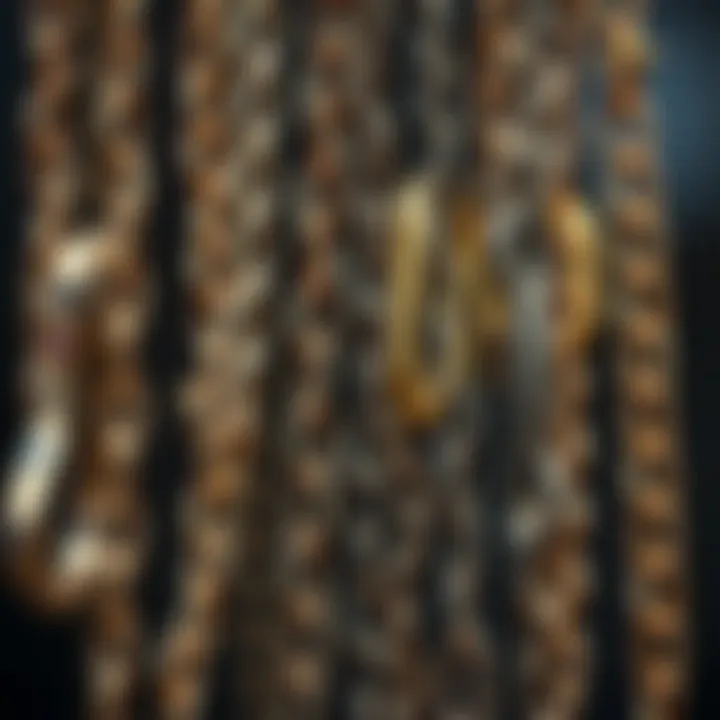
Due to their supple nature, snake chains can be layered effectively—think of combining them with other materials to create depth in your earrings. They can also effortlessly highlight a pendant without clashing with the overall aesthetic. When elegance is the key focus, snake chains may just be the go-to choice for builders of refined jewelry.
"Chains can be the heart of an earring design, seamlessly weaving together function and fashion."
Understanding these types of chains can greatly enhance your earring-making endeavors. Choosing the right chain isn't merely about aesthetics; it ties into the functional aspects that dictate how earrings hang or sway. Whether it’s a link chain’s adaptability or the sophistication of figaro chains, each option provides a different canvas for your creative expression.
Material Considerations for Chains
When it comes to earrings, the choice of chain material is paramount. Not only does it influence the aesthetic appeal of the piece, but it also significantly affects its durability, comfort, and overall wearer experience. In this section, we'll explore various materials used in chains, each bringing its own set of advantages and drawbacks to the table. Understanding these factors can help creators and fashion enthusiasts alike enhance their designs and refine their techniques.
Metal Chains: Pros and Cons
Metal chains are perhaps the most traditional choice in jewelry making. They come in various finishes, such as gold, silver, or copper, and often add a touch of elegance to earrings. However, there are several factors to ponder:
Pros:
- Durability: Metal chains are resilient, standing the test of time.
- Aesthetic Versatility: They can be paired with both vintage and modern designs.
- Weight Bearing: Metal can support heavier elements without compromising integrity.
Cons:
- Hypoallergenicity: Some metals, like nickel, may cause allergic reactions.
- Weight: They can be heavier than other materials, which might not suit everyone's preference.
- Corrosion: Exposure to moisture can lead to tarnishing over time.
Choosing metal chains requires consideration of the wearer's skin type and lifestyle. There’s no one-size-fits-all answer; it’s about finding a balance between fashion and comfort.
Plastic and Synthetic Chains
Plastic and synthetic chains have carved out their niche in the world of jewelry. Often more colorful and lighter, they attract attention for their fun and spirited look. But there’s more to it:
- Lightweight Nature: They don't weigh down the ears, making them ideal for long wear.
- Cost-Effective: Generally, they are less expensive than metal counterparts.
- Variety of Designs: Available in numerous colors, they can inject personality into any earring design.
However, it's essential to remember some pitfalls:
- Longevity Concerns: These materials may not hold up as well over time as metals.
- Environmental Impact: Many plastics are not biodegradable, posing sustainability concerns.
- Less Sophisticated Aura: For high-end pieces, plastic may not evoke the desired luxury feel.
Creatively combining synthetic and natural elements can elevate the perceived value of an earring, but one must tread carefully to maintain an air of sophistication.
Natural Fiber Chains
Natural fiber chains are a growing trend, especially among eco-conscious consumers. Often made from materials like cotton, hemp, or jute, they resonate well with sustainability. Here's what makes them notable:
- Sustainability: They are typically biodegradable and environmentally friendly.
- Unique Texture: Natural fibers provide a rustic charm, adding character to earrings.
- Comfortable Wear: They’re generally soft and light, making them easy on sensitive ears.
Yet, there are downsides:
- Durability Under Challenge: They might not withstand wear and tear as a metal chain would.
- Limited Color Choices: Most natural fibers come in earthy tones, which may not align with all designs.
- Moisture Sensitivity: They can absorb water, leading to potential degradation.
Natural fibers beckon to nature-loving audiences, and with thoughtful design, they can manifest into unique statements that speak volumes about personal style and values.
"The chain is the silent hero of any earring design—each link telling its own story while contributing to the whole ensemble."
Navigating through the choices of chain materials can be a formidable task, but understanding the intricacies of these elements can set apart a novice maker from a seasoned artisan. With careful consideration, one can harness the full potential of chains in earring making.
Chain Length and Size Considerations
When delving into the realm of earring design, the length and size of chain play a pivotal role. These two elements not only influence the overall aesthetics of the earrings but also affect how they sit upon the wearer. Therefore, understanding chain length and size is essential for any designer, as it can make or break the visual impact of a piece.
Choosing the Right Length
Selecting the appropriate length for chain in earrings is crucial. The length will dictate how the earring drapes and falls, ultimately framing the face. Here are a few considerations:
- Face Shape: An elongated chain can be flattering for round faces, providing a vertical line that draws the eye upwards. Conversely, shorter, chunky chains may suit those with longer face shapes.
- Style and Intent: Different lengths serve different moods. A long chain conveys elegance and a sense of flow, perfect for evening wear, while shorter chains deliver a structured, modern vibe, typically suitable for casual outings.
- Earring Type: Hoop earrings may benefit from a longer chain linking to beads or charms, adding dimension. Drop earrings, however, require careful consideration of length to avoid overpowering the design.
Incorporating a variety of lengths can also bring versatility to your collection. For instance, having options for both short and long styles makes it easy to dress up or down based on the occasion.
Understanding Chain Thickness
Chain thickness is another vital consideration in earring design. The width of the chain contributes to the overall weight, feel, and balance of the piece. Here’s what to think about:


- Weight Dispersal: Thicker chains can be heavier, which may stress earlobes if not balanced properly. Conversely, very thin chains can appear delicate, ideal for understated elegance.
- Material Compatibility: The thickness must align with the material used. For example, a sturdy metal chain might necessitate a thicker gauge to ensure durability, while a lightweight plastic chain may look more appealing with a finer profile.
- Trends and Preferences: Current fashion trends sometimes lean toward chunky statement pieces, while minimalist designs may favour thin chains. Knowing your audience can guide you in selecting the right thickness.
A good way to think about chain thickness is to experiment. Try mixing different thicknesses within the same earring to create a striking contrast.
"The beauty of earrings lies not just in their sparkle, but in every link you choose; length and size can transform an ordinary piece into a stunning statement."
By taking the time to thoughtfully consider the chain length and size, you elevate not just your earrings but also the entire wearing experience. Remember, your audience, be it fashion enthusiasts, designers, or retailers, will appreciate the care you put into these details, enhancing overall appeal.
Techniques for Incorporating Chains in Earrings
In the realm of jewelry making, especially when it comes to earring design, chains serve as more than just functional elements; they are key players in aesthetics and style. Understanding various techniques for incorporating chains can enhance creativity and provide a polished edge to your designs. This section will discuss the significance of mastering these techniques, touching on the benefits they offer and the considerations one must bear in mind.
Basic Attachment Methods
When beginning with chain incorporation in earrings, attachment methods stand tall as the foundation of your designs. These techniques not only determine how seamlessly the chain interacts with other components but also affect the overall look and versatility of the piece.
Common attachment methods include:
- Jump Rings: These small circles act as versatile connectors, allowing chains to be linked to hooks or other elements. The key is to ensure that the jump ring is properly opened and closed to maintain strength and avoid breakage.
- Chain Connectors: These specialized pieces facilitate easy attachment of chains directly to earring findings with a sleek finish.
- Glue: For some design styles, using a strong adhesive to attach chains to bases may serve well. However, this method requires a careful choice of glue that can bear weight without failure.
These basic methods provide a groundwork to which more complex techniques can be added, so becoming proficient here is crucial for any jewelry creator.
Creating Dangling Effects
Incorporating chains into earrings can dramatically enhance their movement and visual impact. Creating dangling effects adds a layer of dynamics, drawing the eye and accentuating sophistication. The beauty of dangling chains lies in their ability to sway with the movement of the wearer, making each gesture a part of the allure.
To achieve this effect:
- Length Variation: Experimenting with different lengths of chain pieces can create a cascading effect. For instance, longer chains paired with shorter ones give the illusion of depth and dimension.
- Layering Different Chains: Mixing chain styles, such as pairing a delicate cable chain with a bold, thick link chain, can produce stunning contrasts that draw attention.
- Adding Charms or Beads: Integrating charms or beads into the chain can create an eye-catching focal point. The charm can be attached where the chain connects to the earring finding, enhancing the ensemble's overall richness.
Creating dangling effects not only brings life to your earrings but also showcases the intricate design work involved in your craftsmanship.
Layering Chains for Depth
Layering is a powerful tool in earring design. When it comes to chains, layering them can add a remarkable sense of depth and artistic flair. This technique plays with visual weight and can transform a simple pair of earrings into a statement piece.
Strategies for effective layering include:
- Mixing Chain Types: Combine different styles such as snake chains for smooth texture with a rougher, more masculine link chain for contrast. This interplay not only adds depth but also visual intrigue.
- Color Coordination: Using chains of different materials and colors can create harmonious looks or bold contrasts. For example, a rose gold chain layered with a silver chain can make for a striking modern aesthetic.
- Creating a Cascade: Consider making some layers longer than others. This technique of cascading chains gives the illusion of motion and can be beautifully eye-catching.
Layering chains for depth not only enhances the aesthetic appeal, but it also allows for personal expression. The way in which chains are layered can reflect an artist's style, inviting the wearer to share in that narrative.
In summary, mastering these techniques in attaching and incorporating chains in earrings offers an expansive canvas for creativity. From simple basics to more intricate designs, understanding how to effectively use chains can elevate your jewelry-making game significantly.
In keeping with trends and evolving styles, these methods will serve as a foundational toolkit as you forge ahead in your creative journey in earring design.
Learn more about techniques and trends in jewelry making at Wikipedia or explore Reddit for community insights.
Innovative Chain Designs in Earrings
The world of jewelry crafting is both an art and a science. Within this realm, chains serve as critical components that not only hold pieces together but elevate their aesthetics. Innovative chain designs in earrings play a vital role in distinguishing handcrafted items from mass-produced alternatives. By pushing the boundaries of creativity, designers delve into various styles, forms, and materials, imparting uniqueness to each piece.
Embracing innovative chain designs allows jewelry makers to express individuality and align with contemporary trends. These designs can transform ordinary earrings into extraordinary statement pieces when done right. They invite opportunities for personalization, experimentation with shapes, and incorporation of various materials, which can appeal to a diverse audience of fashion enthusiasts and artisans alike.
Asymmetrical Styles
One emerging trend in earring fashion is the use of asymmetrical styles. This approach breaks away from traditional symmetry, as many wearers are drawn to the idea of creating an artistic juxtaposition through mismatched chains. Instead of pairing identical chains, innovative designers are opting for contrasting lengths, thicknesses, and even materials.
These asymmetrical designs can tell a story or convey emotions, often correlating to the wearer's personality. For example, a long chain paired with a shorter one can symbolize balance and difference, or perhaps even a personal journey. Many designers choose to incorporate a varied array of links, where one chain might be a delicate rope chain while another could sport a chunky cable design.
Furthermore, experimenting with asymmetry allows earrings to catch light in different ways as they move, resulting in a dynamic visual effect. The casual elegance of an asymmetrical earring can easily elevate a simple outfit, making them a popular choice among modern fashionistas.
Mixed Materials
Another innovative approach making waves in the earring design world is the use of mixed materials. Traditionally, chains were often crafted from a single type of metal, such as gold or silver. Today, designers are blending various elements — metals, plastics, and even natural fibers — to craft unique chains that speak to different aesthetics and cultural influences.


For instance, one might encounter an earring that combines delicate sterling silver chains with leather accents or vibrant acrylic links. This fusion not only broadens the color palettes available but also permits expressive designs that resonate with the ideas of versatility and sustainability. The contrast between metal and organic materials can create a fascinating visual impact and offer tactile diversity.
Moreover, the integration of mixed materials reflects a shift toward conscious fashion choices, where the emphasis is on sustainability. As designers explore new production methods and seek out eco-friendly materials, these innovative chain designs become a stand-out feature in the realms of art and commerce.
"Mixed materials in earring design encourage a dialogue between tradition and modernity, allowing every piece to reflect myriad influences and stories."
In summary, the exploration of innovative chain designs — through asymmetrical styles and mixed materials — not only unlocks an array of creative possibilities but also enhances the aesthetic value of earrings. Whether you’re a designer looking to expand your repertoire or a fashion enthusiast seeking your next statement piece, understanding these design principles can empower you to appreciate the nuanced beauty present in every handcrafted earring.
Care and Maintenance of Chain for Earrings
Maintaining the chains used in earring making is pivotal for sustaining not only their visual appeal but also their structural integrity. Chains endure daily wear, and over time, they can become tarnished, tangled, or even damaged. For fashion enthusiasts and designers alike, understanding how to care for these components is crucial to ensure longevity and aesthetic consistency in their creations. Furthermore, with the rise of sustainable practices in fashion, minimizing waste by prolonging the life of chains is more relevant than ever.
Cleaning Different Chain Materials
Different chain materials require tailored approaches when it comes to cleaning. Here’s a breakdown of how to handle various types:
- Metal Chains: For steel or silver chains, a simple solution of warm water and mild soap works wonders. Use a soft toothbrush to gently scrub away dirt and grime. After rinsing, make sure to dry thoroughly with a soft cloth to prevent oxidation. Be cautious with harsh chemicals; they can damage the finish of your chain.
- Plastic and Synthetic Chains: These can often be cleaned with a damp cloth and some mild soap. Avoid submerging in water, as that might lead to warping. For heavier stains, consider using a soft sponge, but make sure to air dry naturally.
- Natural Fiber Chains: Cleaning these requires you to be a bit gentler. Wipe them with a damp cloth; harsh cleaning methods can lead to fraying. If necessary, a light application of fabric-safe cleaner can help maintain their condition, but always do a spot test first to avoid discoloration.
Taking care of the chain materials not only ensures that they look great but also helps retain their functionality over time.
Preventing Tangles and Damage
Tangles can be the bane of every jewelry maker’s existence. A simple chain can become a frustrating mess if not stored properly. Here are some tips to keep your chains in tip-top shape:
- Proper Storage: Use individual compartments or pouches for each piece to prevent them from intertwining. Some jewelry makers recommend using a dedicated jewelry box with hooks, which allows chains to hang freely.
- Avoid Wearing During Activities: As tempting as it might be to show off your handiwork, remove the earrings during physical activities like exercising or even sleeping to prevent unnecessary strain on the chains.
- Regular Inspection: Every now and then, inspect chains for signs of wear such as weakened links or scratches. Addressing these issues early on can save a lot of heartache down the road.
- Use Anti-Tarnish Bags: For metal chains, using anti-tarnish bags when storing can keep oxidation at bay while prolonging the shine of your jewelry.
By adhering to these simple yet effective practices, you not only extend the life of your chains but also maintain their allure. Caring for chains in earrings showcases a commitment to craftsmanship and highlights the value placed on jewelry making.
Trends in Earring Chain Design
The ever-evolving landscape of fashion is shaped by various factors, making trends in earring chain design particularly essential. These trends not only reflect the current aesthetic preferences but also signify a shift in consumer attitudes towards craftsmanship, sustainability, and personal expression in jewelry. An understanding of these trends helps makers and buyers align with contemporary tastes while combining innovation with tradition.
Current Fashions Influencing Chain Choices
Today's fashion scene is a melting pot of styles and influences, significantly affecting chain choices in earring design. Designers are increasingly gravitating towards bold, statement chains that evoke individuality. The resurgence of chunky link chains showcases this trend, as they cater not just to bold aesthetics but also to the growing demand for versatility. Here are some popular fashions influencing chain choices:
- Bold and Chunky: Large link chains have gained traction among those looking to make a definitive style statement. Their robust presence allows for various creative applications, from cascading earrings to intricate multi-layered designs.
- Delicate and Minimalist: On the flip side, fine chains featuring subtle links appeal to minimalists. These dainty designs provide elegance and an understated finish, ideal for those who favor simplicity in their adornments.
- Color Pop Chains: Brightly colored or enameled chains are making waves, adding vibrant accents to earrings. This trend aligns with the desire for personalization, inviting makers to experiment with hues and materials to achieve eye-catching combinations.
- Cultural References: Ethnic and historical influences also play a critical role in shaping chain styles. Artisans draw inspiration from cultural motifs, marrying traditional aesthetics with contemporary functionality, creating unique pieces that resonate on a deeper level.
Sustainability in Chain Production
As consumers become more conscientious about their purchases, sustainability has become a cornerstone in earring chain design. The luxury market is now more attuned to ethical sourcing and environmentally friendly materials. Sustainability isn’t just a buzzword anymore; it is a necessity for discerning consumers. Here are some considerations that reflect this trend:
- Ethically Sourced Materials: Designers are prioritizing chains made from recycled metals or sustainably sourced components. Not only does this appeal to eco-minded buyers, but it also enhances the brand's reputation as socially responsible.
- Local Production: Keeping production local reduces carbon footprints and supports regional artisans. More creators are turning to local suppliers for both materials and craftsmanship, thus fostering community and ensuring quality.
- Longevity Over Fast Fashion: There is a growing recognition that the lifespan of a product matters. Durable chains that stand the test of time are gaining popularity over fast-fashion counterparts, which tend to wear out quickly. This shift not only aids in reducing waste but also transforms jewelry into treasured investments.
"Sustainable jewelry is more than a trend; it's a movement towards mindful consumption, reflecting values in the pieces we choose to wear."
End: The Role of Chain in Earring Aesthetics
Chains are not merely functional elements in earrings; they serve as crucial design components that elevate the overall aesthetic appeal. The strategic application of chains adds depth, movement, and texture to pieces, transforming simple designs into striking statements. The visual and practical roles of chains are intertwined, impacting how light interacts with earrings and how they sway with movement.
Specific Elements to Consider
When evaluating the aesthetic significance of chains in earring design, several factors come to light:
- Movement and Dynamics: Chains can impart a sense of fluidity to earrings. The way a chain can sway and catch light creates a dynamic visual experience for the wearer and onlookers alike.
- Textures and Visual Interest: Different types of chains, such as the smoothness of snake chains or the ruggedness of link chains, contribute varied textures to the design. Mixing these can break monotony and introduce a more sophisticated look.
- Proportion and Balance: Chains can help achieve balance in a design, especially when used in asymmetric styles. A long chain can offset bulkier pieces, making the entire earring appear well-structured.
"The right chain can turn an ordinary earring into a conversation starter."
Benefits of Incorporating Chains
Including chains as a central element in earring design has several advantages:
- Versatility: Chains can adapt to various styles—from minimalist to extravagant, making them suitable for casual wear or formal occasions.
- Customization: They are easy to mix and match with different materials, allowing for endless customization.
- Durability: Well-made chains can withstand daily wear, providing longevity to the pieces.
Final Considerations
The role of chains in earring aesthetics is multifaceted. Approach your designs with a keen awareness of how chains enhance both form and function. Understanding the impact of chains allows designers and enthusiasts to create earrings that do more than just adorn; they tell a story, express individuality, and make a statement.
In summary, as you explore the world of earring crafting, don't overlook the chain. It is an artful element that can dramatically influence the final result, marrying beauty with utility. So, whether you are an aspiring designer or a seasoned creator, leveraging the strengths of chains will surely elevate your jewelry-making game.
For more insights into jewelry design trends and techniques, visit Wikipedia, Britannica, and explore communities on Reddit.
Stay creative!