Discovering the Charm of Cactus Canvas Art
Intro
Canvas cactus wall art is much more than just a decorative piece; it tells a story rooted in cultural significance and creative expression. These artworks have gained a spot in contemporary interior design, illustrating an intersection where nature meets artistry. They’re not just for the desert lovers or the sustainability advocates; they appeal to a diverse audience who appreciate unique aesthetics and meaningful decor.
Not only do these pieces breathe life into spaces, but they also offer a chance for individuals to showcase their personal style. Imagine decorating your living space with vibrant images of cactus flora that instantly make the atmosphere warm and welcoming. We will explore various aspects of canvas cactus wall art, examining design elements, the influence of nature in decor, tips for choosing the right pieces, and how this artwork becomes a canvas for personal expression.
As we embark on this exploration, it’s essential to remain mindful of how canvas cactus wall art can serve as a bridge between cultures. With influences from southwestern United States motifs to Mexican artistic traditions, the versatility of this genre of artwork provides countless possibilities for enhancing home decor while celebrating a blend of influences. Let’s delve deeper into the unique facets of this form of artistic expression.
Prolusion to Canvas Cactus Wall Art
Canvas cactus wall art has swiftly emerged as a significant player in interior decoration. This trend brings together contemporary design sensibilities with the rugged beauty of nature. The significance of incorporating cactus-themed artwork into home or office spaces goes beyond mere aesthetics. It touches on deeper elements, including self-expression and emotional resonance. In a world cluttered with mass-produced art pieces, embracing the unique allure of cactus artworks offers a refreshing perspective that stands out.
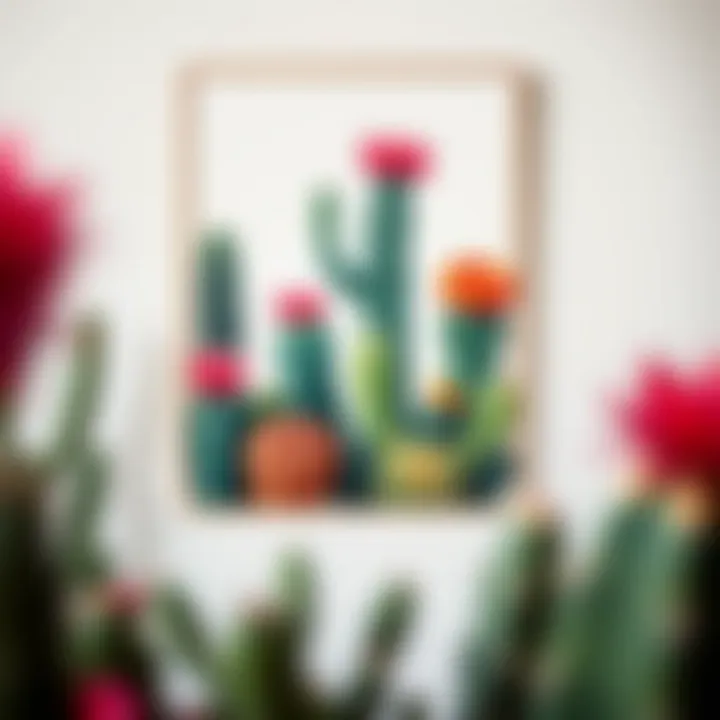
When talking about canvas cactus wall art, it's essential to define its core elements. These artworks typically involve illustrations or paintings of cacti, presented artistically on a canvas. They can be minimalist, highlighting the form and shape of cacti, or vibrantly colorful, depicting various angles of the plants in bloom. The versatility of these pieces makes them suitable for any room, from tranquil bedroom aesthetics to lively lounge areas.
Moreover, the benefits of opting for canvas cactus art are manifold. Firstly, they evoke a sense of calm that parallels the serenity found in nature. Cacti, often gutted from harsh environments, symbolize resilience. Their depiction in artwork can serve as a subtle reminder of perseverance and beauty through adversity. Furthermore, the textures and colors typical to cactus painting can invigorate spaces, adding depth and dimension.
From an aesthetic standpoint, the incorporation of cacti into wall art seamlessly aligns with popular interior design trends that favor organic and nature-inspired themes. It's no wonder that many homeowners and designers seek pieces that resonate with the core of human experience—our connection with the earth. With cactus wall art, one can bring a part of the outdoors inside, enhancing the ambience of their environment.
Defining Canvas Cactus Wall Art
Canvas cactus wall art refers specifically to artworks portraying cacti, printed or painted on canvas material. This definition covers a wide range of visual styles, from hyper-realistic images that capture every detail of a cactus's texture to more abstract interpretations that emphasize color and form. The artwork can be a simple single plant or a complex scene filled with various species.
The choice of canvas as a medium is particularly interesting. Canvas, with its strength and texture, allows for dynamic color play and can withstand the test of time. Additionally, canvas art is lighter than traditional framed pieces, making it easier to hang and rearrange, enhancing the versatility of cactus-themed art in different spaces.
Historical Context and Evolution
The journey of cactus art is rooted in both the functionality and symbolism of cacti themselves. Historically, cacti have been significant in various cultures. For instance, in Mesoamerican traditions, cacti are often revered for their survival qualities and medicinal properties. This cultural reverence set the stage for artistic representations.
As art movements transitioned into modernity, the depiction of natural subjects saw a resurgence. The Western aesthetic embraced cacti, particularly during the early to mid-20th century, coinciding with the rise of Southwestern art. This period celebrated the unique landscapes of the desert southwest, where various cactus species thrive. Artists started to capture the stark beauty of these plants amidst a backdrop pulsing with life.
In recent years, the evolution of canvas cactus wall art reflects broader societal trends. As more people embrace eco-conscious living, the allure of unique, nature-inspired pieces aligns with organic lifestyles. This emergence of interest has led to a resurgence of more contemporary cactus artworks blending with various artistic styles—from pop art influences to minimalistic approaches.
Cactus artistry continues to evolve as it intertwines with changing fashions in home decor while retaining its connection to cultural symbols of strength and resilience.
The Aesthetic Appeal of Cactus Art
In the realm of home decor, canvas cactus wall art stands as a vibrant testament to the intersection of artistry and nature. Many people today crave the natural world’s embrace in their living spaces, and cactus art serves as a perfect marriage of visual appeal and lifelike imagery. The allure of canvas cactus art goes beyond mere decoration; it evokes feelings of calm, intrigue, and connection to the environment while making a strong stylistic statement in any room.
Color Schemes and Patterns
Cactus art thrives on its rich palettes and diverse designs. Different hues from the desert landscape — muted greens, sandy beiges, and striking pinks — can deliver a sense of warmth and tranquility to your space. When considering canvas cactus wall art, one must weigh the influence of color schemes.
- Complementary Colors: Pairing bright greens with earthy tones creates a lively contrast that enhances room warmth.
- Monochromatic Styles: A single color motif, like various shades of green, offers sophistication and subtleness.
The patterns in cactus art also help set the mood. Bold, graphic illustrations can add modern flair, while softer, watercolor styles evoke a sense of serenity. Choosing the right color scheme and pattern can significantly enhance the visual impact of the artwork, making it a focal point or a harmonious addition to your overall decor.
Incorporating Different Styles
Art can reflect personal preferences and fit your particular design vision. Cactus wall art is no different; it can seamlessly blend with various styles.
Contemporary Minimalism
Contemporary minimalism exemplifies clarity and simplicity. In cactus art, this translates to clean lines, soft color palettes, and uncluttered designs. Such artwork provides a beneficial choice for those who favor a tidy aesthetic.
- Key Characteristic: Less is more; minimal elements keep the space from feeling overcrowded.
- Unique Feature: The focus on negative space can make a striking cactus art piece a powerful statement.
However, it may lack the colorfulness that some seek, tending towards a more subdued ambiance. The trade-off lies in its ability to maintain visual serenity, allowing other decor elements to shine without distraction.
Bohemian Vibes
Bohemian vibes encapsulate a lively eclecticism that speaks to freedom and creativity. Canvas cactus art in this style often features rich textures and bold colors, appealing to those who love vibrancy.
- Key Characteristic: Free-spirited designs often integrate various elements, such as textiles and pottery, bringing the artwork into a broader narrative.
- Unique Feature: Layering different cactus art pieces can create a textured and personalized gallery wall, encouraging self-expression.
The challenge here is balancing the vibrant chaos. Too much can lead to an overwhelming look; careful curation is needed for harmony amidst the playful styling.
Desert Aesthetic
Desert aesthetic evokes the stark beauty of arid landscapes. Such artworks reflect the serenity of vast sandy stretches and windswept succulents, being a popular choice where tranquility is prioritized.
- Key Characteristic: Earthy palettes merge effortlessly with natural materials, including wood and stone, reinforcing a connection to nature.
- Unique Feature: Art reflecting the desert can instill a calm, grounding atmosphere in the home.
However, if a homeowner seeks a dynamic or modern twist, some may view this approach as somewhat static. Striking a balance between earthy tones and dynamic shapes can make this style both engaging and restful, ensuring that the art maintains its relevance in the decor narrative.
The right inclination towards cactus art not only beautifies a space but also instills a feeling of nature's presence within the home.
By recognizing the diverse color schemes, patterns, and stylistic integrations, cactus wall art serves numerous decor purposes, ultimately reflecting individual taste while enhancing aesthetic value.
Cultural Significance of Cacti
The cultural significance of cacti extends far beyond their aesthetic appeal. These spiny succulents have successfully found their way into various cultures, symbolizing resilience and adaptability. In many arid regions, cacti represent life, rebirth, and the ability to thrive in harsh circumstances. This symbolism resonates through art forms, fostering a deep-rooted connection between the natural world and human creativity. Art inspired by cacti not only beautifies living spaces but also encapsulates these rich meanings, making canvas cactus wall art an intriguing addition to any collection.
Symbolism of Cacti in Various Cultures
Cacti are often perceived as symbols of endurance and strength across a diverse array of cultures. In Native American traditions, for example, the cactus is revered for its ability to survive the unforgiving desert environment. The prickly pear cactus, in particular, carries deep cultural connotations, playing key roles in diets and medicine, while also symbolizing the endurance of life amidst adversity.
In Mexican culture, cacti take the form of vibrant artistic representations, often intertwined with themes of nature and spirituality. The famous "nopal" or prickly pear cactus is celebrated in various forms, from culinary uses to traditional ceremonies. Furthermore, the connection of cacti to the Day of the Dead festivities illustrates their importance in representing life and death, showcasing the cultural belief in cyclical renewal.
Moreover, in Japanese culture, cacti are seen as symbols of protection and defense. The way these plants thrive in challenging environments parallels the human spirit's capacity to withstand hardships. Often found in Zen gardens, cacti contribute to a serene atmosphere, inviting contemplation and reflection. The cultural layers wrapped around cacti create a tapestry of meaning that enhances their presence in art.
Influence on Modern Art
In recent times, cacti have become a significant source of inspiration in modern art. Artists across the globe have embraced these plants, using them to convey themes of sustainability, environmental consciousness, and the interplay between nature and urbanization. The rise of botanical art has seen cacti being celebrated not just for their form but also for their symbolic meanings.
Modern artists integrate the aesthetic qualities of cacti into their works, exploring vibrant color palettes and diverse textures. This is evident in pieces that often blend traditional painting techniques with mixed media, creating depth and complexity. The representation of cacti in contemporary art often serves as a commentary on the balance we must strike between nature and development, particularly in urban settings.
The allure of cactus-themed designs doesn't just stop at individual pieces. In many cases, artists collaborate with interior designers, creating entire collections centered around this theme. These joint efforts yield striking results, influencing interior trends by pairing art with furniture, textiles, and overall design aesthetics.
As we witness a growing appreciation for sustainability in art, one cannot overlook the role of cacti in promoting such values. Eco-conscious artists utilize sustainable materials and methods in their cactus representations, emphasizing the relationship between creativity and social responsibility.
In essence, the cultural significance of cacti, forged through historical narratives and modern interpretations, offers a rich foundation for canvas cactus wall art. These pieces do not merely serve to beautify a space; they encapsulate stories, values, and aspirations, making them valuable assets to art collectors and interior enthusiasts alike.
Choosing the Right Canvas Cactus Art
Selecting canvas cactus wall art demands careful consideration to ensure that it fulfills both aesthetic desires and functional needs within a space. It’s not just about picking a pretty picture; it’s about finding art that resonates with one's personality and complements the overall design of the room. The significance of choosing the right piece can subtly influence the atmosphere of a space, whether it be calming, invigorating, or inspiring creativity.
Evaluating Quality and Durability
When investing in canvas wall art, assessing its quality is paramount. High-quality prints are typically created using archival-grade inks, which help preserve the vibrancy of the colors over time. A good canvas should be made of sturdy material that can withstand environmental factors such as humidity and direct sunlight. Look for canvases with UV-resistant coatings to prevent fading. Many reputable artists or brands will provide details about the materials used; checking for certifications can offer peace of mind.
"Quality speaks volumes, and there’s nothing worse than falling in love with a print that starts to fade or deteriorate after a short while."
Additionally, the construction of the canvas frame matters. Here are a few tips to evaluate its durability:
- Stretched Canvas: Ensure that the canvas is properly stretched and secured by strong staples or tacks to prevent sagging.
- Weight Tests: Heavier canvases often signify higher quality, as they typically are made with robust materials.
- Artisan Recognition: Seek out pieces from known artisans or reputable brands that have stood the test of time in the market.
Choosing well can save money in the long run by preventing early replacements of artwork.
Sizing and Placement Considerations
Size matters when it comes to canvas wall art; it plays a crucial role in how a piece influences a room’s character. A large cactus piece can become a stunning focal point, while smaller works can be grouped together in a gallery-style display. It’s advisable to measure the wall space available and keep in mind the height at which the art will be hung. A general rule of thumb is to place the center of the artwork at eye level to create a visually pleasing arrangement.
When weighing location, consider the following:
- Room Function: The environment where the art will be placed matters. Art in a visually busy kitchen may require simpler designs compared to a minimalistic living room.
- Light Sources: Natural light or artificial sources can create reflections or glares. It might be wise to position the canvas away from direct light sources to maintain its integrity and appearance.
- Thematic Cohesion: Ensure that the size and style of the canvas align with other decor elements in the room, maintaining harmony throughout.
Ultimately, the process of choosing the right canvas cactus wall art transcends mere selection; it's a thoughtful endeavor where quality, durability, size, and placement all intertwine to breathe life into a living space.
Integration with Interior Design
When considering the dynamics of interior design, canvas cactus wall art stands as a unique focal point, offering versatility and charm that caters to various design aesthetics. The integration of such artwork provides not only an eye-catching element but also brings in a sense of nature that can enliven any space. This section delves into the multiple layers through which canvas cactus art interacts with existing decor, emphasizing its importance in achieving a harmonious environment.
Pairing with Other Art and Decor
Complementing Textiles
When you think about integrating canvas cactus wall art, the textiles in your space can play a significant role. Whether it's a cozy sofa adorned with vivid throw pillows or curtains that echo earthy tones, the right textiles can really elevate the presence of the art. For instance, fabrics in pastel colors can soften the look, making the greenery pop without overwhelming the senses.
The key characteristic of this pairing is that textiles often share textures and colors with the canvas, creating a visual link. A rug featuring abstract cactus patterns can mirror the artwork on the wall, offering a cohesive feel. It’s a popular choice because it allows for an exchange of energy between the art and the surrounding elements.
However, one unique feature of using textiles lies in the opportunity to introduce different materials. For example, a woven tapestry or macramé hanging can add depth, contrasting with the flat image of the canvas. But it also comes with a challenge—if not balanced well, too many textures can create chaos instead of harmony.
Merging with Furniture
Blending canvas cactus art with your furniture arrangement is all about finding that magic balance. A sleek, wooden coffee table can serve as a base for exhibiting cactus-themed decor, like mini planters or coasters, creating an inviting atmosphere.
The important element here is synchronization. When a piece of furniture resonates with the cactus wall art—say, a green accent chair or a light wood bookshelf—the whole room feels more intentional. It’s beneficial because this strategy doesn't demand a complete overhaul of your space; it’s about enhancing what you already own.
Furthermore, merging art with furniture allows for functional beauty. A high-backed armchair next to a cactus print, for example, doesn’t merely look good, but it creates a nook for relaxation. However, one should consider the size of the furniture in relation to the wall art; oversized furniture may overshadow the art instead of complementing it.
Creating a Cohesive Theme
Creating a cohesive theme with canvas cactus wall art brings about a tangible narrative within your space. Imagine a room where the artwork echoes the spirit of the desert, accentuated with sand-hued throw blankets and ceramic installations that reflect the rugged beauty of arid landscapes.
The key characteristic of this approach is the storytelling aspect. Each piece, whether it’s the art, fabric, or furniture, contributes a chapter to the overall tale you wish to tell through your decor. The popularity of this strategy can be attributed to how it allows individuals to express their personal style while ensuring that all components feel interconnected.
What truly sets this theme apart is the ability to vary your palette while maintaining a central idea. You could play with colors inspired by sunset over the desert, gradually transitioning from a warm orange hue to a deep purple. Although this method can be labor-intensive—as it requires thought in selecting each piece—it’s ultimately rewarding when everything comes together.
Transforming Spaces with Art
The power of canvas cactus wall art in transforming spaces cannot be overstated. An effectively placed piece can redefine the vibe of a room, taking it from mundane to extraordinary.
Art has a unique ability to act as a conversation starter, especially when it reflects a personal connection to the earth, which cactus art embodies so well. When chosen thoughtfully, it can breathe life into areas that otherwise may feel sterile or uninspired.
Imagine a corner nook that transforms with the addition of a vibrant cactus painting—it can offer warmth, evoke a sense of comfort, and even spark joy. The artistry combined with landscape influences fosters an atmosphere that invites creativity and relaxation.
Artwork speaks where words fail, turning walls into narratives and decor into dialogues.
Personal Expression through Canvas Cactus Art
In the realm of interior design, canvas cactus wall art stands out not only for its vibrant aesthetics but also as a medium of personal expression. It enables individuals to project their unique stories and perspectives onto their living spaces. Incorporating cactus art into home decor allows for a blend of personal identity with the natural world, revealing how one's environment can reflect who they are. This art form transcends mere decoration; it offers a canvas for self-expression, fostering a connection between the viewer and the piece.
Telling a Story with Art
Canvas cactus art serves more than an ornamental purpose. Each piece tells a story, whether drawn from personal experiences, cultural backgrounds, or artistic interpretation. Many find that cacti symbolize resilience—surviving harsh conditions, thriving despite challenges. By choosing cactus-themed art, you embrace narratives of strength and adaptability.
- Personal Narratives: A particular cactus piece might echo your memories of a trip to the desert or symbolize a journey through tough times. These connections can turn a simple artwork into a comforting presence within your home.
- Cultural Stories: Cacti hold various meanings across cultures. For instance, Native American folklore often celebrates these plants as symbols of healing and nourishment. By incorporating such art, you introduce diverse cultural narratives into your space, enriching your environment with depth and significance.
Each observational moment spent with these artworks can stir thoughts, creation of personal histories, and emotional affiliations, ultimately bridging the gap between art and life.
Choosing Art that Resonates with You
When selecting canvas cactus art, it's essential to choose pieces that resonate with your personal tastes and values. Consider these factors to make an informed decision:
- Visual Appeal: Does the artwork draw you in? Colors, shapes, and styles should appeal to you visually, matching your existing decor or creating a focal point that grabs attention.
- Emotional Connection: Choose pieces that speak to you on a deeper level. This might be due to the memories associated with cacti or the emotions they evoke. Art should not only beautify but also resonate with your personal journey.
- Lifestyle Alignment: Consider how the artwork fits into your lifestyle. For instance, if you have children or pets, you might opt for durable pieces that can withstand daily life while still holding aesthetic value.
- Authenticity: Seek art that reflects your individuality. Supporting local artists or exploring unique designs can yield pieces that speak authentically to your identity.
The final choice should feel like a personal declaration, an embodiment of who you are and what matters to you, not just a decorative element.
"Your home is a living space, not a storage space for art." – Anonymous
By embracing canvas cactus wall art as a means of personal expression, you not only enhance your surroundings but also create a nurturing environment that mirrors your identity, thoughts, and experiences.
Care and Maintenance of Canvas Art
Taking good care of your canvas cactus wall art is akin to nurturing a treasured friend. This artwork, often reflecting the beauty of nature, deserves attention to keep it looking vibrant and fresh. Knowing how to maintain it properly not only extends its life but also ensures that it continues to speak to the aesthetics of your space. Let’s explore the crucial aspects of maintaining canvas art to protect your investment and keep your home looking its best.
Cleaning Techniques for Longevity
Maintaining the integrity of your canvas print involves more than just hanging it on the wall. Dust and grime can accumulate over time, dulling its brilliance. To clean canvas art effectively, consider a gentle approach:
- Dry Dusting: Start by taking a soft microfiber cloth. A gentle wipe can remove any surface dust. Avoid using anything abrasive that could scratch the surface.
- Spot Cleaning: For stubborn stains, dampen a clean cloth with lukewarm water. Gently dab the stained area. Be careful not to soak the canvas as excess water can warp it. If needed, a bit of mild soap can also be used, but always test it in a small area first.
- Vacuuming: You might be surprised, but using a vacuum cleaner with a brush attachment can be effective. Keep the suction low to avoid any damage, and keep the brush at a distance.
It can be quite laborious, but a little routine care can go a long way towards preserving the colors and textures of your cactus artwork.
Protection from Environmental Factors
Canvas art is not just a piece on the wall; it's also sensitive to its environment, and factors like sunlight, humidity, and temperature can impact its condition:
- Sunlight: UV rays can fade colors over time. If your cactus artwork is in a sun-soaked area, consider using UV-protective glass or relocating it to a less sunny spot. Even a sheerer curtain can help filter those rays.
- Humidity: Just like cacti thrive in dry environments, canvas art prefers similar conditions. High humidity can lead to mold or mildew, especially if the art is in a damp room. Using a dehumidifier can mitigate this issue in more humid climates.
- Temperature: Keep your canvas art away from heating vents or fireplaces. Fluctuating temperatures can cause the canvas to stretch or contract, leading to warping.
"Regular maintenance and protection against environmental factors can keep your canvas cactus wall art as captivating as the day you hung it up."
By integrating these care practices into your routine, you ensure the longevity and attractiveness of your canvas cactus wall art, allowing it to continue being a focal point in your decor for years to come. Such attention to detail speaks volumes about your appreciation for art and enhances the overall atmosphere of your space.
Another helpful resource for cleaning and maintaining your art can be found at The Image Editor or Art Conservator. They provide good guidelines related to maintaining various kinds of artwork.
Incorporating these strategies not only supports the art itself but resonates with the love for the artistic expression that the cactus symbolizes in your home.
Current Trends in Wall Art
As we navigate through the evolving landscape of interior design, understanding the current trends in wall art is crucial. It informs not just what is popular but what resonates with diverse audiences. Canvas cactus wall art exemplifies how this medium can beautifully merge style and natural inspiration. By keeping an eye on trends, decorators and art enthusiasts alike can ensure their spaces remain fresh and inviting.
The Rise of Botanical Art
Botanical art has undergone a renaissance in recent years. Moving beyond simple depictions of flora, today's artists are exploring rich textures, vivid colors, and intricate details, especially with desert flora like cacti. This art form appeals not only for its visual splendor but also for its ability to bring the essence of nature into our homes.
For interior decorators, incorporating pieces of botanical art is a smart play. These works often serve as conversation starters, inviting viewers to appreciate the delicate balance between artistry and nature. Some important factors include:
- Increased Demand: More people are seeking to connect with nature through their home decor.
- Versatile Applications: Botanical artworks can fit into various interior styles, from minimalistic homes to bohemian spaces.
- Calming Influence: Studies suggest that art depicting nature can reduce stress and promote well-being.
It’s clear that the rise of botanical art aligns perfectly with the growing trend towards biophilic design, emphasizing a deep appreciation for nature within our living environments.
Eco-Friendly Materials in Art
As consciousness around environmental issues deepens, eco-friendly materials are changing how art is created and presented. Many artists are utilizing sustainable resources and practices to minimize their ecological footprint. This shift is particularly evident in the canvas cactus art sphere.
Opting for eco-friendly materials not only speaks to the values of today’s consumers but also adds a unique story to the artwork itself. Here are some aspects to consider:
- Sustainable Canvas: Artists are increasingly using organic cotton or recycled materials for their canvases, aligning the medium with environmental stewardship.
- Natural Dyes: Eco-conscious artists are utilizing plant-based dyes, promoting a deeper connection to the botanical themes of their work.
- Non-Toxic Inks: Many creators now favor inks made from natural sources, eliminating harmful chemicals that could be hazardous to health.
This careful consideration of materials marks a crucial shift in the art world. It underscores a growing awareness that the things we display in our homes can reflect our values, making eco-friendly art not just a trend but a movement.
"Art is not just what you see, but what you make others see." - Edgar Degas
The End: The Lasting Impact of Canvas Cactus Wall Art
Canvas cactus wall art carries with it a lasting impact that transcends mere decoration. It embodies a unique intersection of creativity and nature, showcasing the natural world's beauty while catering to contemporary aesthetic sensibilities. Cactus art not only adds character to a space but also invites a deeper reflection on personal identity and cultural connections.
Choosing art for a living space is often seen as a mere afterthought, yet it plays a crucial role in expressing who we are. When individuals opt for canvas cactus artwork, it's more than just an ornamental choice—it reflects an appreciation for resilience and adaptability, qualities inherent to cacti. This reflection of identity can influence a person’s mood, as well as the ambiance of the environment they inhabit.
Art serves as a silent communicator, a language that conveys messages without the use of words. Art as a reflection of identity means embracing the stories and life experiences that shape us. For many, the charming elegance of a cactus can evoke feelings of warmth, connection to nature, and a sense of adventure. It’s a way to feel grounded while also expressing one's style.
Additionally, as we look to the future of art in interior spaces, the integration of cactus themes is bound to evolve. The Future of Cactus in Art hints at how artistic representations of cacti may expand beyond traditional canvases. Innovations in materials, such as eco-friendly fibers or mixed media, might soon emerge, challenging the way we view and appreciate cactus-themed art. Artists are increasingly looking to break boundaries, blending technology with traditional craftsmanship.
Moreover, as environmental awareness rises, cactus art will likely become symbolic of sustainable living practices. It not only beautifies spaces but can also elicit discussions around conservation and the importance of retaining biodiversity.
As we step forward, canvas cactus art will undoubtedly hold a special place in the hearts of many, mirroring our evolving architecture while faithfully chronicling the stories of identity and innovation. In a world that's often cluttered and chaotic, these pieces become sanctuary points, where art meets nature in a dance that speaks of durability and life itself.
In summary, canvas cactus wall art is more than a trend—it's a versatile form of expression that will continue to impact interior design, echoing the harmony between art, culture, and nature. This lasting influence cements its place as an important choice for design enthusiasts, retailers, and anyone looking to invite a touch of the wild into their homes.